


Executive Summary
This assessment provides a structured dissection of the Inspire magazine as a multi-layered instrument operating across narrative, cognitive, and operational domains. The analysis begins with a detailed characterization of the source, positioning the document within AQAP’s broader media ecosystem and historical use of Inspire as a vehicle for external operations.
It then develops a set of Key Judgments and Key Assumptions that define the analytical baseline, followed by Key Findings that isolate the most relevant patterns emerging from the content, including narrative construction, emotional triggers, and operational enablement mechanisms.
A dedicated section examines the methodological approach, clarifying how the analysis integrates open-source intelligence, visual interpretation, and structured qualitative frameworks, including cognitive warfare and behavioral activation models. Particular attention is paid to the distinction among narrative messaging, ideological legitimization, and operational guidance.
The assessment also addresses structural limitations, including the inherent bias of jihadist propaganda and the challenges of evaluating real-world impact from primary-source material.
Finally, the document outlines intelligence gaps and provides a calibrated confidence assessment, identifying areas where further collection and analysis are required to refine threat assessment.
📌 Inside This Assessment
Structural Decomposition of the Magazine
Breakdown of the magazine into its core components, narrative layer, ideological layer, visual layer, and operational layer, to isolate how each element contributes to the overall mobilization architecture and enables the transition from messaging to action.Cognitive Warfare Architecture
Analysis of the cognitive targeting framework, including audience segmentation, cognitive entry points, emotional activation, identity reinforcement, moral disengagement, and influence on decision-making pathways, with specific reference to the integration of real-world attack narratives and visual stimuli.Cognitive Control Assessment
Evaluation of how the magazine establishes control over perception, interpretation, and moral reasoning, creating a closed cognitive environment that aligns identity, grievance, and behavioral intent within a self-reinforcing framework.Counter-Narrative Vulnerability Analysis
Identification of structural weaknesses within the messaging architecture, including theological simplifications, operational overstatements, and narrative inconsistencies that can be exploited for counter-radicalization and disruption purposes.Operational Enablement Assessment
Evaluation of the presence, accessibility, and usability of operational guidance, including level of complexity, required resources, preparation timelines, and replication potential across different attack modalities.Operationalization Bridge Analysis
Assessment of the transition from exposure to attempted execution, including estimated timelines, likely actor profiles, operational failure points, and the gap between theoretical instructions and real-world capability.Strategic Intent and Operational Logic
Assessment of the underlying strategic objectives, including saturation of security systems, imposition of costs on States, multiplication of decentralized actors, and the shift from hierarchical organization to an adaptive ecosystem.Attack Pathway Model
Reconstruction of the operational sequence from initial exposure to execution, mapping the stages of cognitive activation, radicalization acceleration, planning, material acquisition, preparation, and attack implementation.Threat Assessment
Evaluation of the current threat environment, including the likelihood of lone actor activation, expected attack typologies, target selection patterns, and short-term risk trajectory, supported by prioritization of immediate, probable, and high-impact risks.Early Warning Indicators
Identification of observable indicators that may signal increased mobilization or operationalization, including dissemination patterns, behavioral signals, and shifts in online activity within relevant digital ecosystems.Detection and Disruption Windows
Analysis of temporal phases in which intervention is most effective, from content consumption and cognitive engagement to material acquisition and pre-operational behavior, enabling targeted intelligence and law enforcement action.Forward Outlook 30–90 Days
Projection of likely developments over the short term, including baseline scenario, alternative scenario, and low probability high impact contingencies based on dissemination dynamics and behavioral activation patterns.Implications for Decision Makers
Assessment of operational and strategic implications for intelligence services, military actors, and policy makers, including monitoring priorities, resource allocation, integration of cognitive analysis, and early-stage prevention strategies.
Source Description and Context
Organization: Al-Qaeda in the Arabian Peninsula (AQAP)
Ecosystem: al-Qaeda
Format: Digital magazine, Inspire Guide, Open Source Cyber Jihad, The Lone Jihad Guide, Inspire Series, 16 pages.
Language: Arabic, English
Period: March 2026
Type: Official propaganda and operational guidance publication
Distribution platforms: Telegram, Signal, Chirpwire, RocketChat.
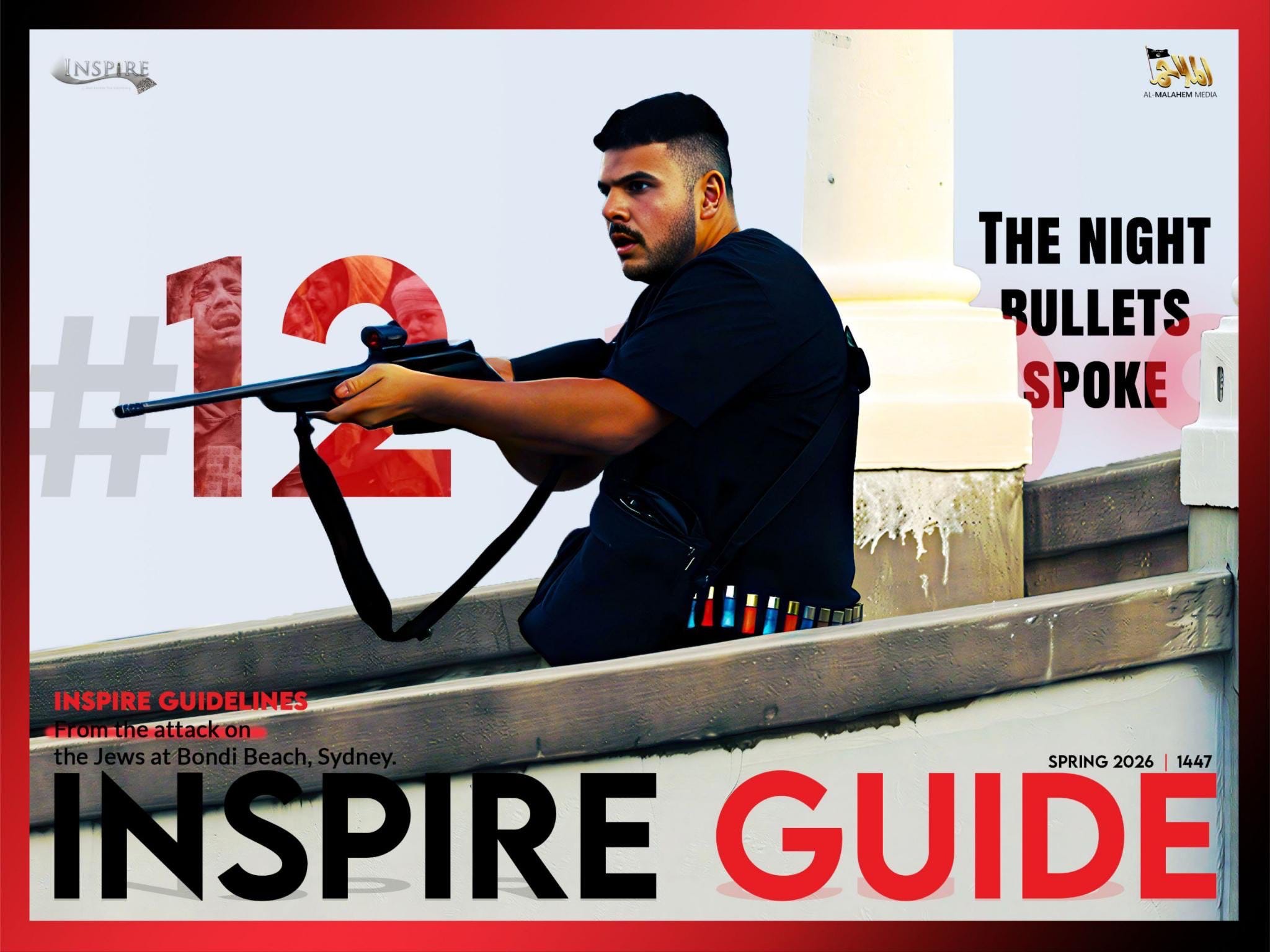
Platform Dynamics
The dissemination of Inspire content is characterized by initial release on encrypted platforms such as Telegram, Chirpwire, RocketChat, and Signal, followed by secondary distribution through smaller, closed communities. The speed of propagation is influenced by network density and the presence of dedicated dissemination nodes.
Cross-platform migration is highly probable, with content being reposted, translated, and adapted for different linguistic audiences. This increases reach and extends the material’s lifespan.
