


Executive Intelligence Summary
This paper examines the visual production of Jama’at Nusrat al-Islam wal-Muslimin (JNIM) in Mali and Burkina Faso throughout 2025, analysing jihadist video and image material as a component of cognitive warfare and operational messaging, rather than as post-hoc propaganda. Drawing exclusively on primary-source jihadist content disseminated through official and semi-official channels, the study applies a multi-disciplinary analytical framework combining SOCMINT, IMINT, digital HUMINT inference, and cognitive-domain analysis.
The findings indicate that JNIM’s visual output functions as an operational multiplier integrated into the group’s kill chain, supporting learning, deterrence, recruitment, and reputational warfare. Recurrent visual patterns, including massed motorcycle manoeuvres, night-time operations, the use of unmanned aerial systems for ISR and battle damage assessment, indirect fire, and episodic SVBIED employment, suggest a deliberate effort to standardise tactics and signal tactical maturation to multiple audiences. Targeting narratives consistently prioritise state outposts, logistical corridors, security intermediaries (police, gendarmerie, and community militias), and, in selected cases, foreign security partners, reflecting a coherent strategy aimed at eroding practical sovereignty rather than achieving permanent territorial control.
The paper argues that JNIM’s 2025 visual campaign constitutes a form of cognitive-operational convergence. In this visibility, itself becomes a weapon: shaping threat perception, delegitimising state authority, and amplifying the psychological effects of limited kinetic actions. These dynamics carry significant implications for military posture, counter-insurgency strategy, partner engagement, and security risk assessments across the central Sahel.
Key Judgments
JNIM’s visual production in 2025 should be assessed as an integral element of its operational architecture, not as ancillary propaganda. Video and imagery are systematically used to extend the effects of kinetic actions into the cognitive domain, shaping perceptions of control, inevitability, and state vulnerability.
The group demonstrates increasing tactical standardisation and learning, as evidenced by the repeated visual presentation of mass motorcycle manoeuvres, coordinated assaults on isolated positions, night-time engagements, indirect fire, and the selective use of SVBIEDs. These patterns indicate internal dissemination of best practices and doctrinal consolidation.
Visual media functions as a force multiplier by compressing the operational learning cycle. Footage serves simultaneously as battle damage assessment, internal training material, recruitment content, and deterrent signalling, reducing the need for sustained territorial control to achieve strategic effects.
Target selection within the visual narrative is deliberate and strategically coherent, focusing on state outposts, logistical corridors, security intermediaries (including police, gendarmerie, and VDP units), and symbolic nodes of authority. This reflects a strategy of eroding practical sovereignty and governance capacity rather than seeking conventional battlefield dominance.
The recurrent portrayal of attacks involving foreign security partners, including Russian Africa Corps elements, highlights a reputational warfare component, aimed at undermining the perceived deterrent value of external assistance and contesting partner-centric stabilisation narratives.
Geographic emphasis differs by theatre but follows a shared cognitive logic: in Mali, visual messaging prioritises logistical interdiction and state–partner vulnerability; in Burkina Faso, it focuses on community-level security structures and emblematic locations such as Djibo, which function as both operational and symbolic battlegrounds.
The cumulative effect of JNIM’s visual campaign is disproportionate to its kinetic footprint, amplifying fear, uncertainty, and behavioural adaptation among security forces, local populations, and international stakeholders. This underscores the necessity of treating visual dominance and narrative contestation as core components of counter-insurgency and security risk management in the Sahel.
Methodology
Source Material and Data Integrity
This study is based exclusively on primary-source jihadist material disseminated by Jama’at Nusrat al-Islam wal-Muslimin (JNIM) through its official and semi-official media channels, primarily the az-Zallaqa Media Foundation and affiliated outlets. The corpus consists of video productions and extracted visual frames documenting attacks, raids, ambushes, and post-attack scenes across Mali and Burkina Faso between January and December 2025.
The dataset was deliberately restricted to first-order sources, excluding secondary reporting, media summaries, or third-party interpretations. This methodological choice prioritises direct observation of self-representation, operational signalling, and internal narrative construction over externally mediated accounts. While jihadist media content is inherently selective and performative, it remains one of the most reliable windows into operational preferences, learning processes, and intended cognitive effects.
All materials were reviewed in their original form, with metadata (date, location, target attribution) cross-checked against internal consistency within the corpus and, where relevant, corroborated through open-source contextual validation.
Analytical Framework
The analysis applies an integrated, multi-domain framework that combines tools traditionally used in intelligence analysis with concepts from cognitive warfare and insurgency studies. Specifically, the following analytical lenses were employed:
SOCMINT (Social Media Intelligence):
Used to assess narrative framing, audience targeting, repetition of themes, and temporal clustering of releases. SOCMINT analysis focuses not on engagement metrics, but on what is shown, how it is displayed, and why particular events are elevated into flagship productions.IMINT (Imagery Intelligence):
Visual material was analysed for observable tactical features, including force composition, mobility platforms, weapons employment, night-time operations, indirect fire, use of unmanned aerial systems, and post-engagement behaviour. IMINT was applied conservatively, with clear separation between observable facts and inferred capabilities.Digital HUMINT Inference:
While no direct human sources were involved, behavioural patterns visible in the footage—such as discipline, coordination, action sequencing, and internal consistency across operations—were used to infer organisational learning, command intent, and levels of tactical maturity.Cognitive Warfare Analysis:
The core analytical lens of the paper. Visual material is treated as a deliberate instrument of influence, designed to shape perception, behaviour, and decision-making among multiple audiences: local populations, state security forces, auxiliary militias, foreign partners, and potential recruits.
This integrated approach allows the paper to move beyond descriptive cataloguing and towards an assessment of how visual production functions as an operational and strategic enabler.
Units of Analysis
The analysis operates across three interconnected units:
Event-level analysis
Each attack or operation represented in the corpus is treated as a discrete analytical unit, defined by time, location, and target type.Visual-sequence analysis
Within each event, specific visual sequences (e.g., approach, engagement, aftermath, aerial footage) are analysed to identify tactical and cognitive signalling choices.Indicator-level analysis
Recurrent visual indicators—such as massed motorcycle manoeuvre, night operations, drone footage, indirect fire, or the display of destroyed equipment—are coded and compared across events to identify patterns and standardisation.
This layered structure enables the identification of both micro-level tactical signals and macro-level campaign logic.
Coding and Inference Rules
To mitigate analytical overreach, strict inference rules were applied:
Observable vs. inferred separation:
Only elements directly visible in the material are treated as facts. Assessments regarding capability, intent, or learning are explicitly framed as analytical inferences.Recurrence threshold:
A tactic or feature is considered analytically significant only if it appears repeatedly across different events or theatres, or if it is integrated into multi-phase operations.Contextual coherence:
Visual indicators are interpreted in relation to operational context (target type, geography, timing), not in isolation.Non-assumptive attribution:
Claims regarding foreign partners, specific units, or outcomes are treated as part of JNIM’s narrative unless independently verifiable. The analytical focus remains on why such claims are made, rather than on their literal accuracy.
Limitations and Analytical Constraints
Propaganda Bias and Selection Effects
JNIM’s visual output is inherently selective. Failed operations, tactical setbacks, and internal losses are systematically excluded. As a result, the corpus does not provide a statistically representative picture of operational success rates or attrition. The analysis therefore focuses on capability signalling and preferences, rather than on quantitative effectiveness.
Temporal and Narrative Compression
Video productions frequently compress time, omit pauses, and merge sequences from different phases of an operation. This limits the ability to reconstruct precise timelines or the duration of engagement. Consequently, the paper avoids detailed tactical timelines and instead concentrates on sequencing logic and narrative construction.
Geospatial and Attribution Uncertainty
While locations and dates are generally provided by the producing entity and show internal consistency, independent geolocation and forensic verification were not systematically applied. Attribution to specific sub-units or commanders is therefore avoided. The analysis remains focused on organisation-wide patterns rather than granular unit-level claims.
Ambiguity of Technological Function
The presence of drones, indirect fire systems, or complex manoeuvres does not automatically imply advanced or integrated capabilities. In particular, aerial footage may serve purely propagandistic purposes rather than operational ISR. Where such ambiguity exists, the analysis explicitly distinguishes potential capability from demonstrated function.
Cognitive Overinterpretation Risk
Cognitive Warfare analysis carries an inherent risk of over-reading intentionality into media artefacts. To mitigate this, the paper grounds all cognitive interpretations in repetition, consistency, and alignment with kinetic actions, avoiding speculative psychological profiling or intent attribution unsupported by observable patterns.
Scope Limitation
This paper does not attempt to assess:
JNIM’s internal command structure,
comparative casualty ratios,
or the effectiveness of countermeasures employed by state or partner forces.
Such assessments would require classified reporting, persistent ISR, or human intelligence beyond the scope of this study.
Conceptual Framework: Visual Media as a Cognitive-Operational Weapon
From Propaganda to Operational Messaging
Conventional analyses often treat jihadist video output as propaganda in the classical sense: material produced after an operation, intended primarily for ideological reinforcement, recruitment, or external visibility. This paper adopts a different conceptual position.
In the 2025 Sahelian context, JNIM’s visual production is better understood as operational messaging, a form of communication that is temporally, functionally, and cognitively integrated into the conduct of military activity. Operational messaging differs from traditional propaganda in three critical ways. First, it is embedded within the operational cycle, rather than appended to it. Video footage frequently documents not only outcomes but also movement, coordination, and sequencing, suggesting that filming is planned rather than improvised after success. Second, it is multi-audience by design. The same visual artefact simultaneously addresses internal fighters, local populations, state security forces, auxiliary militias, and external observers. Third, it serves instrumental rather than purely expressive purposes, shaping behaviour and perception in ways that extend the tactical effects of limited kinetic actions. In this framework, the video is not a report of the operation; it is an extension of the operation itself. Visibility becomes a vector of influence, allowing JNIM to transform geographically and temporally bounded engagements into persistent psychological pressure. The operational value of an attack is therefore not exhausted at disengagement, but continues through its mediated afterlife.
The Video as an Extension of the Operation
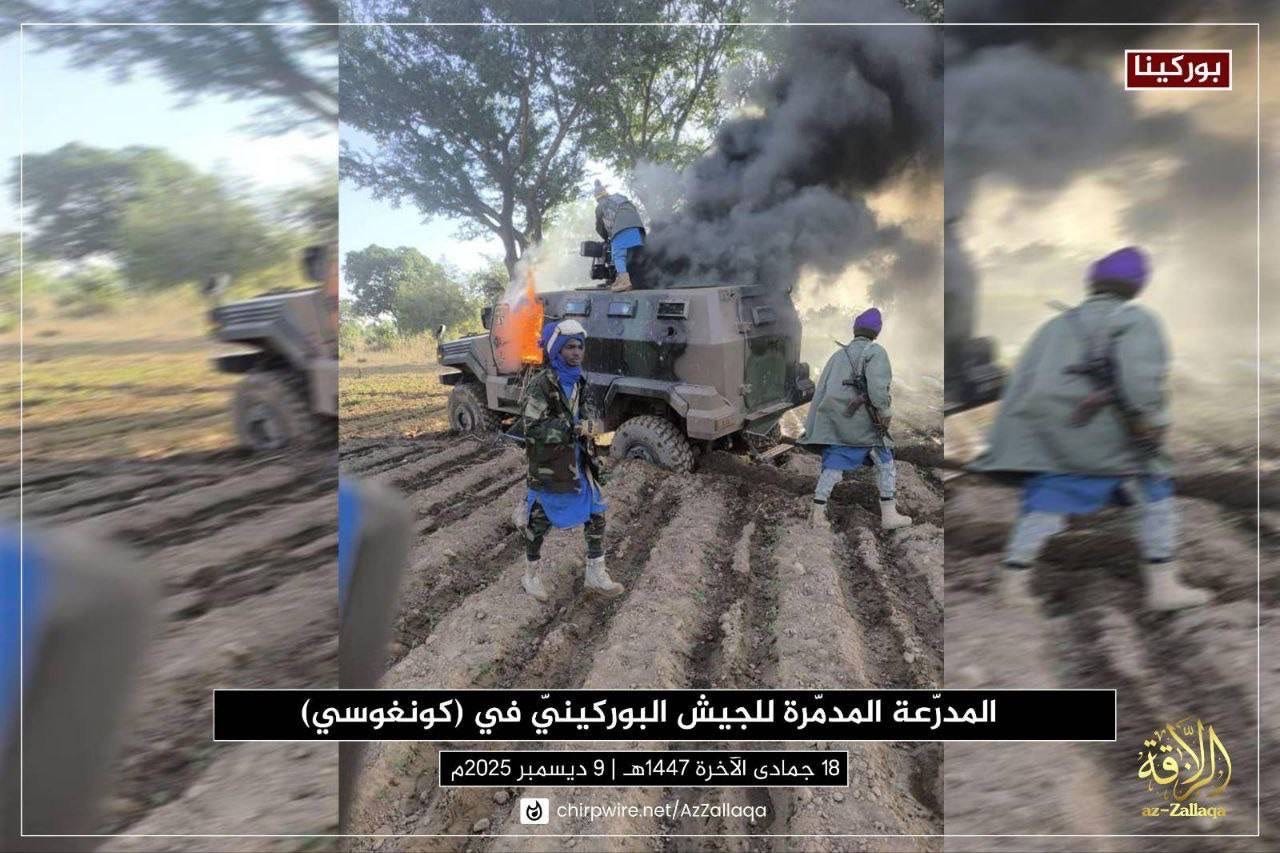
Treating visual production as operational implies that filming, editing, and dissemination are part of the same decision-making logic as manoeuvre, fire, and withdrawal. In the 2025 corpus, this is reflected in the systematic capture of specific moments: mass movement on motorcycles, night-time engagements, the use of indirect fire, aerial perspectives, and post-attack scenes showing destroyed equipment or temporary control of space. These elements are not selected randomly. They correspond to capability signals messages intended to communicate competence, reach, and inevitability. The repeated emphasis on mobility, coordination, and control conveys a narrative of operational dominance that does not require sustained territorial occupation. Even short-lived actions acquire strategic weight when visually framed as decisive, disciplined, and uncontested.
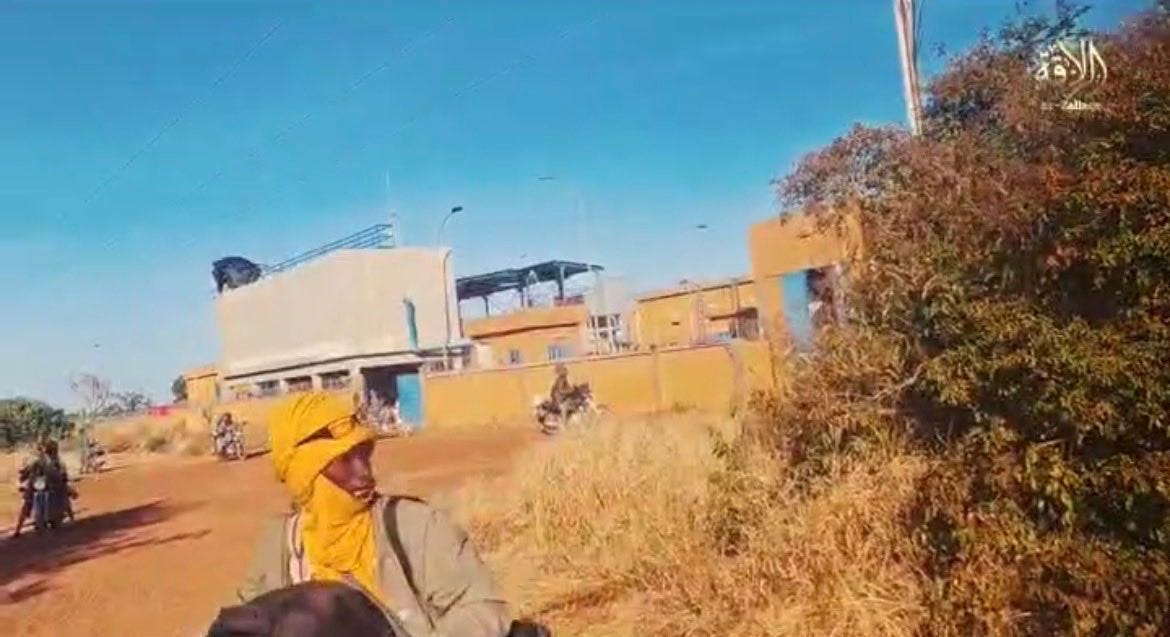
From an intelligence perspective, this suggests that JNIM is deliberately optimising the cost–effect ratio of its operations. A limited engagement, if properly visualised and disseminated, can generate effects usually associated with far more resource-intensive campaigns: deterrence, coercion, and erosion of confidence in state protection. The video thus functions as a force multiplier, compensating for material constraints through cognitive leverage.
Cognitive Warfare in Insurgency Contexts
In insurgency environments, cognitive warfare does not seek immediate ideological persuasion. Its primary objective is behavioural modification: altering how individuals and institutions assess risk, make decisions, and allocate resources. JNIM’s 2025 visual campaign aligns closely with this logic. First, the persistent depiction of successful attacks contributes to the erosion of trust in the state. By repeatedly showing state outposts overrun, convoys ambushed, and security forces reacting rather than controlling, the videos reinforce a perception of state fragility. This perception matters more than formal authority; populations adapt behaviour based on what appears safe, predictable, and enforceable. Second, the visual normalisation of violence serves to lower the psychological threshold for its acceptance.
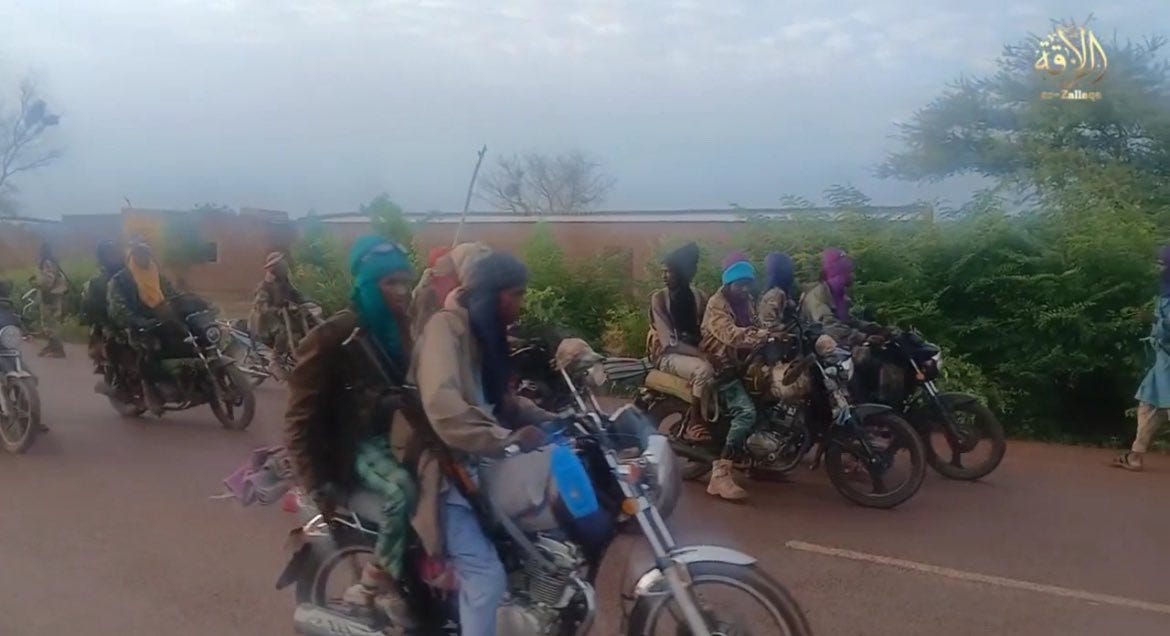
When attacks are portrayed as routine, disciplined, and unchallenged, violence becomes an expected feature of the security environment rather than an exceptional disruption. This normalisation benefits the insurgent actor by reducing the shock value of future operations and by conditioning audiences, both civilian and military, to a degraded baseline of security. Third, the material operates as deterrence messaging toward local collaborators and intermediaries. The explicit targeting and visual exposure of community militias, police, and gendarmerie units communicates a clear cost to cooperation with the state. Importantly, deterrence here is not abstract; it is personalised and contextual, aimed at actors embedded in local social networks. In aggregate, these effects contribute to a gradual but cumulative erosion of practical sovereignty, in which the state may remain formally present but is perceived as unreliable, reactive, or unable to protect those who align with it.
Visual Production and Organisational Learning Loops
Beyond its external effects, JNIM’s visual output also plays a critical role in internal organisational learning. The recurrent structure and thematic consistency of the material suggest that videos function as an implicit training and standardisation tool. First, visual material serves as implicit instruction. Fighters observing footage can internalise preferred tactics, movement patterns, and engagement sequences without formal doctrinal dissemination. This is particularly relevant in decentralised or semi-autonomous operational environments, where standardisation must occur without rigid command-and-control mechanisms.
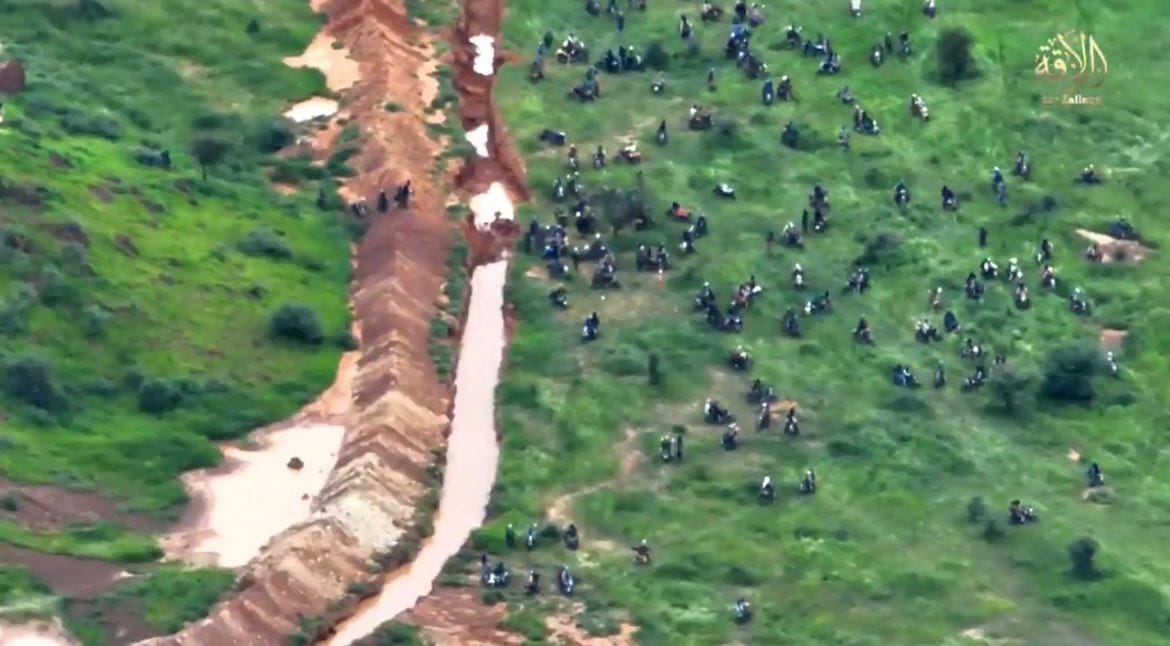
Second, the repetition of specific tactical motifs, such as massed motorcycle manoeuvres, coordinated assaults on isolated positions, and controlled withdrawal, indicates an effort to codify best practices. What is shown repeatedly becomes what is learned, emulated, and expected. Over time, this contributes to the emergence of a shared operational grammar across geographically dispersed cells. Third, visual production enables a feedback loop between action and adaptation. Footage provides an after-action review not only for leadership but for the broader network, allowing assessment of what appears effective, impressive, or vulnerable. In this sense, video serves as both a mirror and an amplifier of organisational learning. From a cognitive-domain perspective, this internal function is as important as external influence. An organisation that can learn visually, at scale, and across distance gains resilience and adaptability without the need for formal training infrastructure.
Synthesis
Taken together, these dynamics support a reframing of jihadist media output from “propaganda” to cognitive-operational weaponry. In the 2025 Sahelian theatre, JNIM employs visual production to extend operational reach, compress learning cycles, deter adversaries and collaborators, and contest state authority at the level of perception and behaviour. Understanding this convergence is essential for assessing both the group’s current capabilities and the broader security implications of visual dominance in contemporary insurgency.
2. Empirical Analysis: JNIM’s Visual Campaign in the Sahel in 2025
Geographic and Symbolic Targeting
The 2025 visual corpus reveals a geographically concentrated yet strategically diversified campaign, in which JNIM prioritises specific theatres not only for their operational relevance, but for their symbolic and cognitive value. In Mali, the visual focus consistently gravitates toward the Ségou–Mopti axis, with recurrent depictions of attacks in Niono, San, Tiby, Béla, Bina, Markala–Siribala, and Dioura. In Burkina Faso, the dominant visual theatre is the Sahel region, particularly Djibo and its surrounding areas, complemented by repeated operations in Yatenga, Sourou, and the North Region.
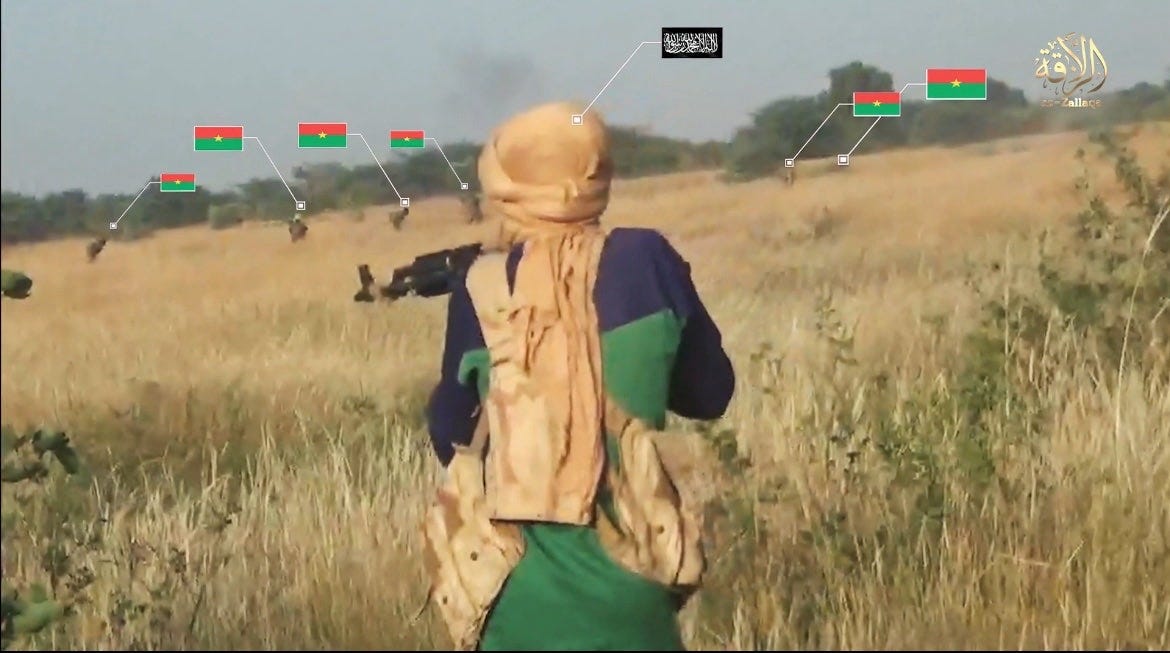
This geographic selectivity is analytically significant. These areas are not chosen at random, nor solely for tactical convenience. They represent zones where the state’s presence is operationally necessary but structurally fragile: reliant on isolated outposts, extended supply lines, auxiliary militias, and limited rapid reaction capacity. By repeatedly returning to the same theatres, JNIM constructs a narrative of persistent contestation, reinforcing the perception that state control is episodic and reversible. Specific locations, most notably Djibo in Burkina Faso and Niono/San in Mali, emerge as cognitive battlegrounds. These sites function as reference points within the visual campaign, where successive attacks accumulate symbolic weight. Each new operation does not stand alone; it is implicitly framed as part of an ongoing struggle in which JNIM appears adaptive, resilient, and locally dominant. Over time, the visual concentration on these nodes transforms them into emblems of state vulnerability, amplifying the psychological impact of each subsequent engagement.
Recurrent Visual Patterns and Tactical Narratives
Across the corpus, JNIM employs a highly consistent set of visual motifs that collectively construct a coherent tactical narrative. One of the most prominent is the mass use of motorcycles. Footage repeatedly shows large numbers of fighters manoeuvring in coordinated formations, often approaching targets across open terrain or dispersing rapidly after contact. This imagery serves multiple functions: it demonstrates mobility and numerical presence, conveys organisational discipline, and projects an image of inevitability that exceeds the actual duration or scale of the engagement. Another recurring pattern is the emphasis on controlling space, even when it is temporary. Visual sequences frequently highlight moments in which JNIM fighters move unchallenged within or around military installations, occupy roads, or operate freely in the immediate aftermath of an attack.
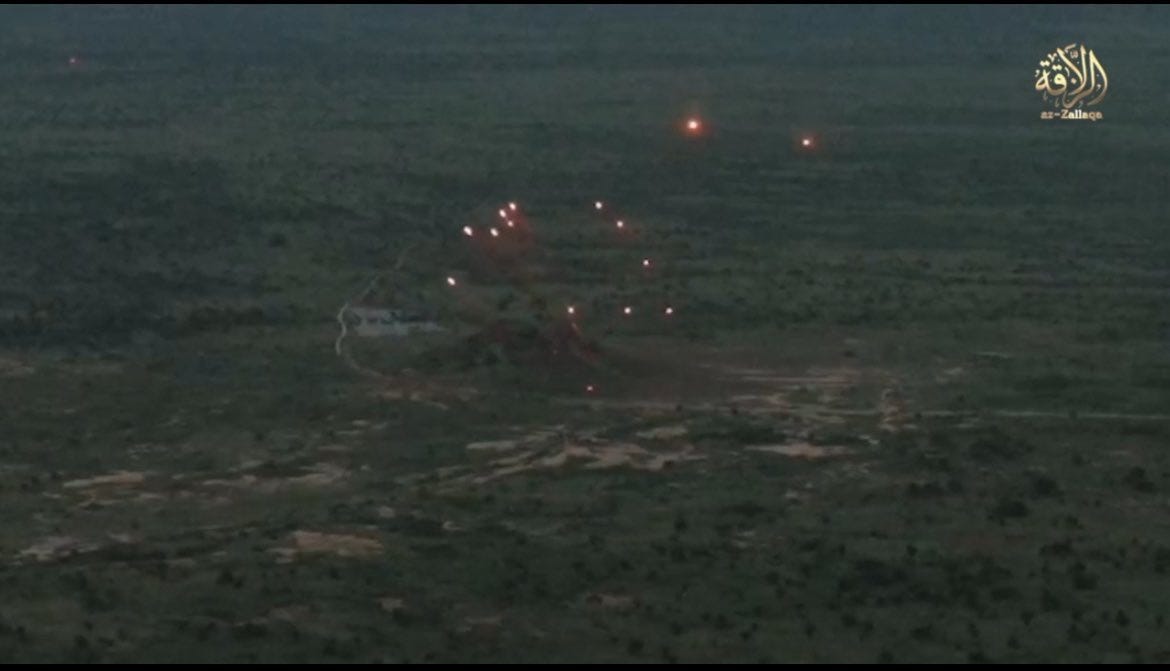
These scenes are critical to the campaign’s cognitive effect. They communicate not merely that an attack occurred, but that state forces were displaced, disoriented, or absent at decisive moments. The consistent inclusion of aftermath imagery, burning vehicles, destroyed infrastructure, and abandoned positions further reinforces this narrative. Such visuals function as proof of effect, transforming abstract claims into tangible outcomes. Notably, the corpus often prioritises damage to vehicles and fixed assets over depictions of casualties, suggesting an emphasis on material and institutional vulnerability rather than body counts. Taken together, these patterns indicate a deliberate effort to frame operations as methodical and repeatable, rather than opportunistic. The visual narrative presents JNIM as an actor capable of imposing structure on violence, a key element in projecting legitimacy and authority within insurgent environments.
Night Operations, Drones, and Indirect Fire as Cognitive Signals
Several elements within the 2025 corpus point to an evolution in both operational practice and cognitive signalling. The repeated depiction of night-time operations, particularly in central Mali and the Sahel region of Burkina Faso, serves as a powerful indicator of local superiority. Night fighting is visually and psychologically potent: it implies initiative, planning, and confidence, while simultaneously highlighting the defensive limitations of state forces. Similarly, the appearance of aerial footage, including overhead views of engagements and aftermath, introduces a vertical dimension to the visual narrative. Whether employed strictly for propaganda or as part of an operational ISR function, drones symbolize modernity and situational awareness.
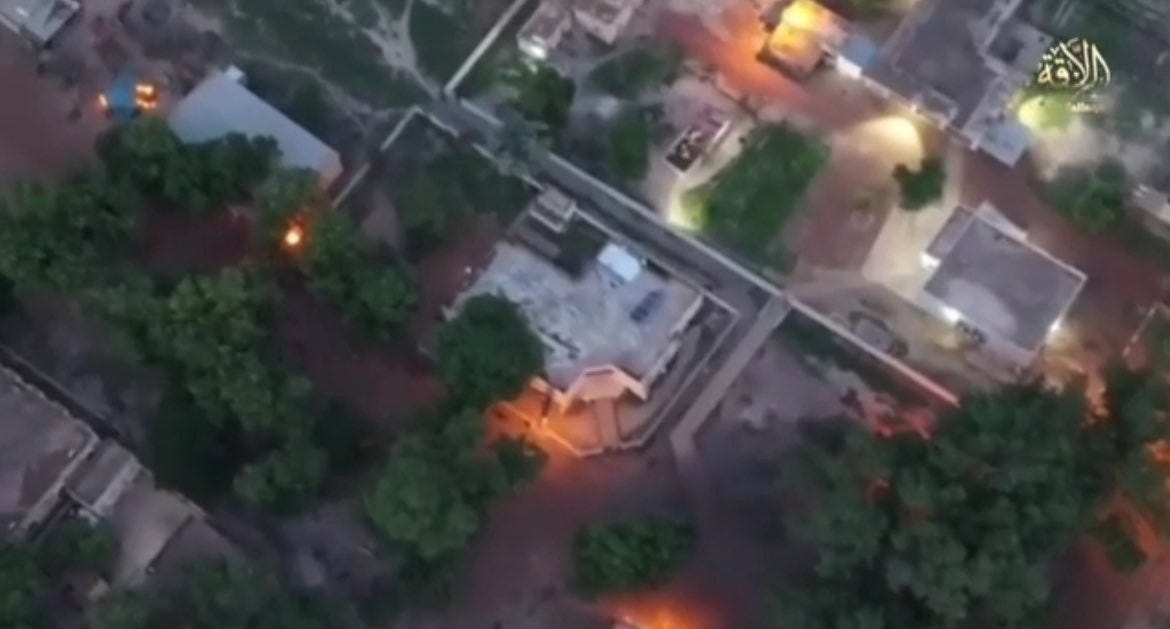
Their inclusion signals an ability to observe, document, and potentially adapt in real time, reinforcing perceptions of tactical sophistication. The documented use of indirect fire, including mortars and rockets, further contributes to this signalling. Even when accuracy or tactical integration cannot be independently verified, the visual portrayal of indirect fire conveys escalation and reach. It communicates that JNIM is not confined to small-arms harassment, but can impose standoff pressure on fortified positions and deny defenders a sense of sanctuary. Collectively, night operations, drones, and indirect fire operate as cognitive amplifiers. They elevate the perceived threat level of JNIM beyond the immediate tactical effect of individual attacks, shaping adversary risk assessments and reinforcing a narrative of growing capability.
Targeting the State’s Human Interfaces
A defining feature of JNIM’s 2025 visual campaign is its sustained focus on what can be described as the human interfaces of state authority. This includes police stations, gendarmerie units, community militias such as the VDP in Burkina Faso, and, in selected cases, foreign security partners operating alongside national forces. The targeting of these actors is not incidental. Police, gendarmerie, and auxiliary militias represent the most immediate and visible manifestation of state power in contested areas. By visually documenting attacks against them, JNIM seeks to undermine the credibility of local security arrangements and deter cooperation with state institutions. The message conveyed is unambiguous: alignment with the state carries immediate and personal risk.
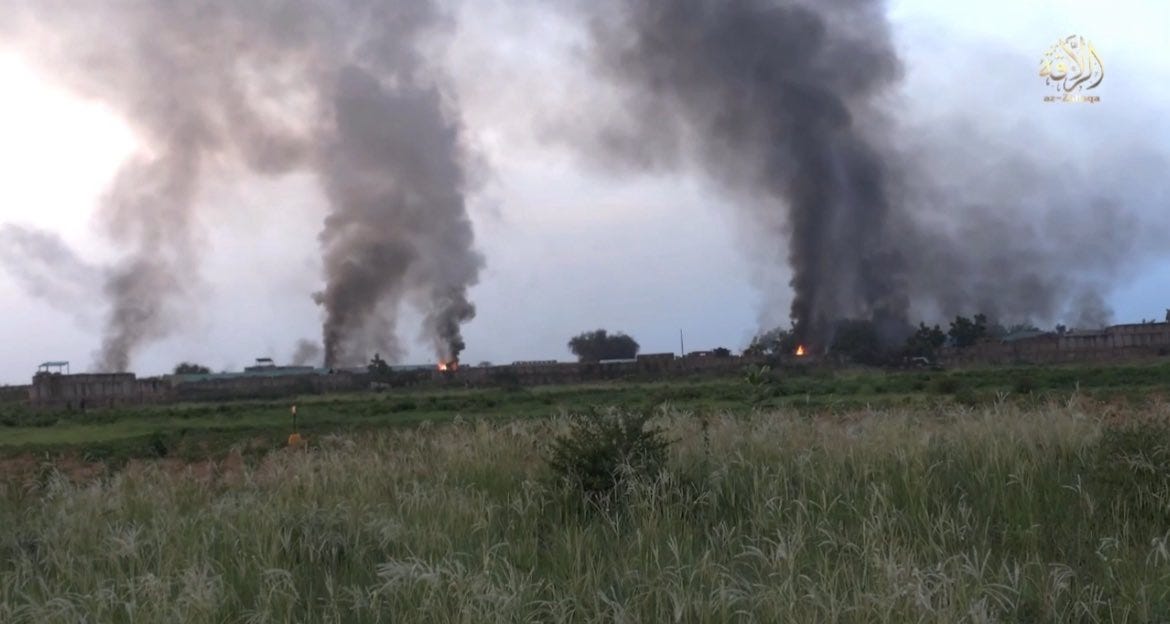
In Burkina Faso, the repeated depiction of attacks on VDP positions reflects a deliberate strategy to delegitimise community-based security models. By showing these units overrun or destroyed, JNIM contests the notion that local mobilisation can compensate for broader structural weaknesses in state security provision. In Mali, visual narratives involving foreign security partners, including elements identified as part of the Russian Africa Corps, introduce a distinct reputational dimension. These scenes are framed to challenge the perceived deterrent value of external assistance, suggesting that the presence of foreign actors does not alter the balance of power on the ground. From a cognitive warfare perspective, this serves to erode confidence not only among local populations, but also among political decision-makers and international stakeholders invested in partner-centric stabilisation strategies.
Empirical Synthesis
The empirical evidence from JNIM’s 2025 visual campaign supports a clear analytical conclusion: visual production is systematically employed to magnify the strategic impact of limited kinetic actions. Through repetition, consistency, and careful selection of imagery, JNIM constructs a narrative of momentum, adaptability, and local dominance that transcends the immediate tactical realities of individual engagements. This campaign does not aim to demonstrate permanent territorial control. Instead, it seeks to normalise the idea that state authority is provisional, contested, and ultimately unreliable.
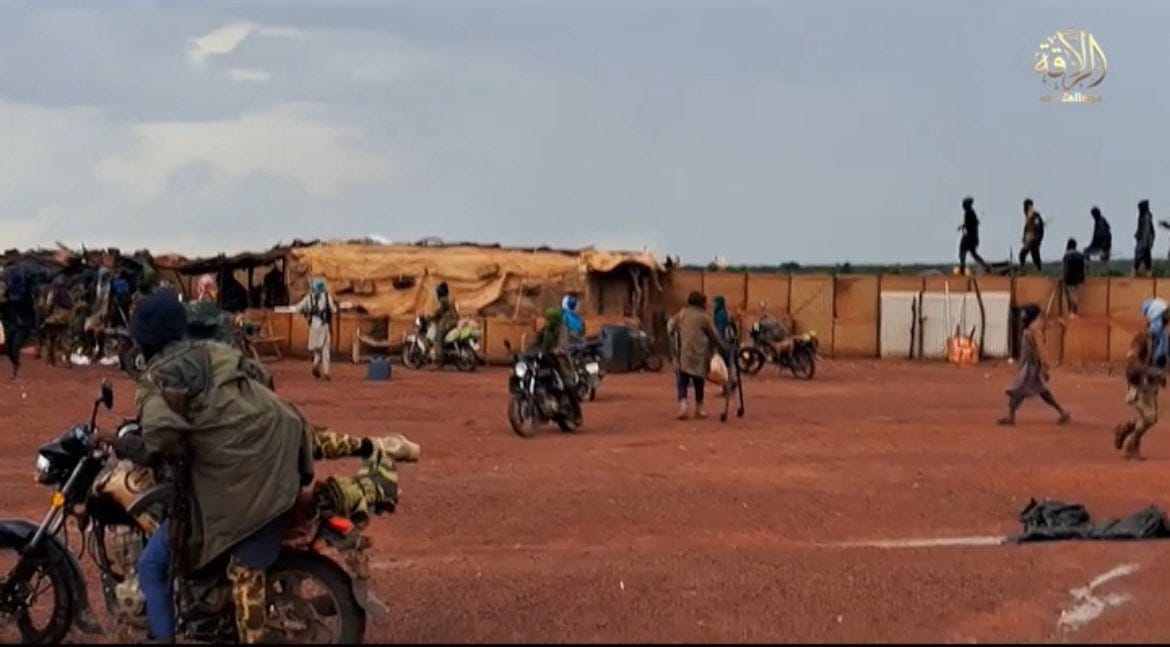
By aligning operational activity with cognitive messaging, JNIM maximises the return on each operation, ensuring that even transient actions cumulatively erode confidence in state protection. For analysts and decision-makers, the implication is clear: assessments of threat and stability in the Sahel must account not only for what JNIM does on the battlefield, but for how those actions are seen, remembered, and internalised by multiple audiences. Ignoring the cognitive-operational convergence evident in this corpus risks underestimating both the durability and the adaptability of the insurgent challenge.
3. Mali vs Burkina Faso: Divergent Cognitive Campaigns, Shared Logic
Mali: Logistical Erosion, State–Partner Vulnerability, and the Contestation of Stabilisation Narratives
In Mali, JNIM’s visual campaign throughout 2025 clearly emphasizes logistical vulnerability and the fragility of an extended state presence. The recurrent depiction of ambushes on convoys, attacks along key road axes, and strikes against isolated military installations in the Ségou–Mopti corridor reflects a cognitive strategy aimed at undermining the state’s ability to remain operational rather than to fight decisively. Visually, the narrative prioritises disruption over conquest. Convoys destroyed between Markala and Siribala, fuel trucks targeted in remote areas, and repeated attacks on bases in Niono, San, Béla, Tiby, and Dioura collectively convey a message of persistent interdiction. The implication is not that the state cannot deploy forces, but that it cannot sustain them without incurring continuous risk and cost. This directly targets the confidence of planners and logisticians, as well as the morale of deployed units.
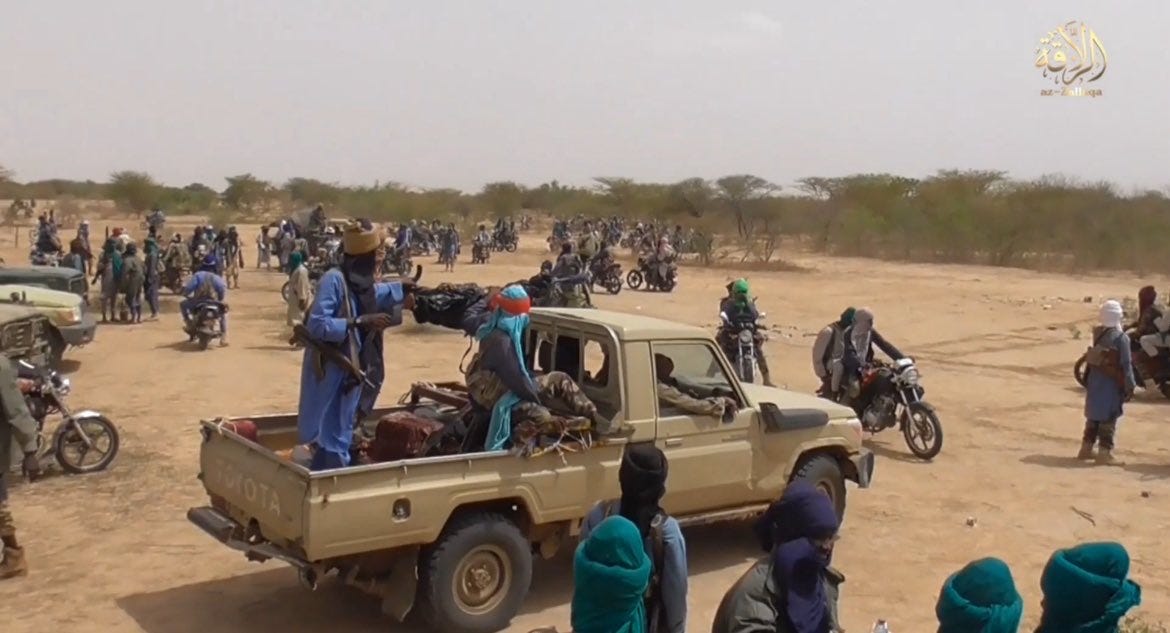
A distinct feature of the Malian theatre is the explicit inclusion of foreign security partners within the visual narrative. Scenes depicting joint or proximate presence with Russian Africa Corps elements are framed to challenge the deterrent promise of external support. Cognitively, this functions as a reputational attack on stabilisation strategies centred on partner force deployment. The message is not necessarily that such partners are ineffective tactically, but that their presence does not fundamentally alter the contested nature of the environment. In this sense, the Malian campaign is outward-facing as much as it is inward-facing. It seeks to influence not only local populations and Malian security forces, but also international stakeholders whose political and strategic calculus depends on the perceived viability of state-centric security models.
Burkina Faso: Community-Level Intimidation and the Symbolic Centrality of Djibo
By contrast, JNIM’s visual campaign in Burkina Faso is more tightly focused on community-level security structures and emblematic locations. The repeated targeting of Volunteer for the Defence of the Homeland (VDP) units, local army outposts, and checkpoints reflects a deliberate effort to dismantle the social and psychological foundations of community-based security. The cognitive logic here is distinct. Whereas Mali’s narrative emphasises logistical exhaustion, Burkina Faso’s focuses on personal risk and proximity. VDP units are not abstract institutions; they are embedded within local social networks. By visually documenting attacks against them, JNIM communicates a deterrent message that is immediate, personalised, and socially resonant. Cooperation with the state is framed not as a civic duty, but as a high-risk choice with direct consequences. Within this theatre, Djibo emerges as a central symbolic node. The accumulation of visual material depicting successive attacks, including night-time operations, indirect fire, and SVBIED use, transforms the town into a cognitive reference point.
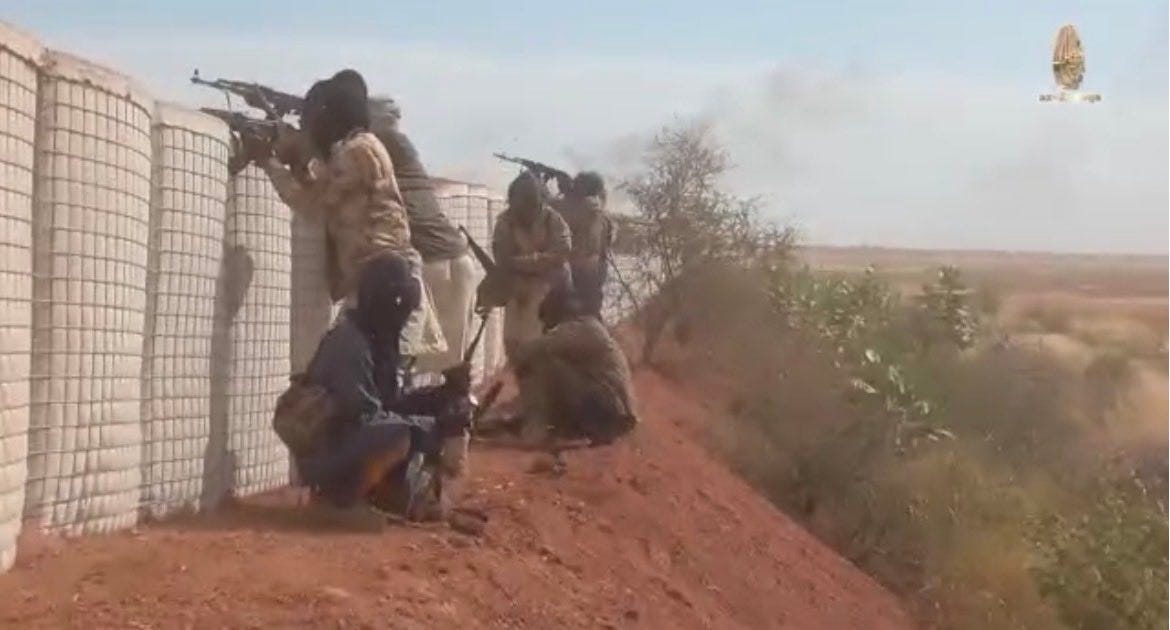
Djibo is not portrayed simply as a contested location, but as a space where state authority is repeatedly tested and found wanting. Each new operation reinforces a sense of inevitability, suggesting that security measures are temporary and reversible. This symbolic centrality carries strategic implications. Once a location becomes cognitively coded as insecure, even successful defensive actions may struggle to reverse the narrative. The visual campaign thus locks both the insurgent and the state into a contest where perception can outweigh tactical outcomes.
Convergent Logic Across Divergent Theatres
Despite these differences, the underlying logic of JNIM’s visual campaign in Mali and Burkina Faso is fundamentally aligned. In both contexts, the objective is not sustained territorial control, but the delegitimisation of state authority through persistent contestation. Visual production demonstrates that security is conditional, localised, and temporary. Both theatres also reveal a shared emphasis on intermediaries, whether logistical nodes, auxiliary militias, or partner forces, as pressure points within the security architecture.
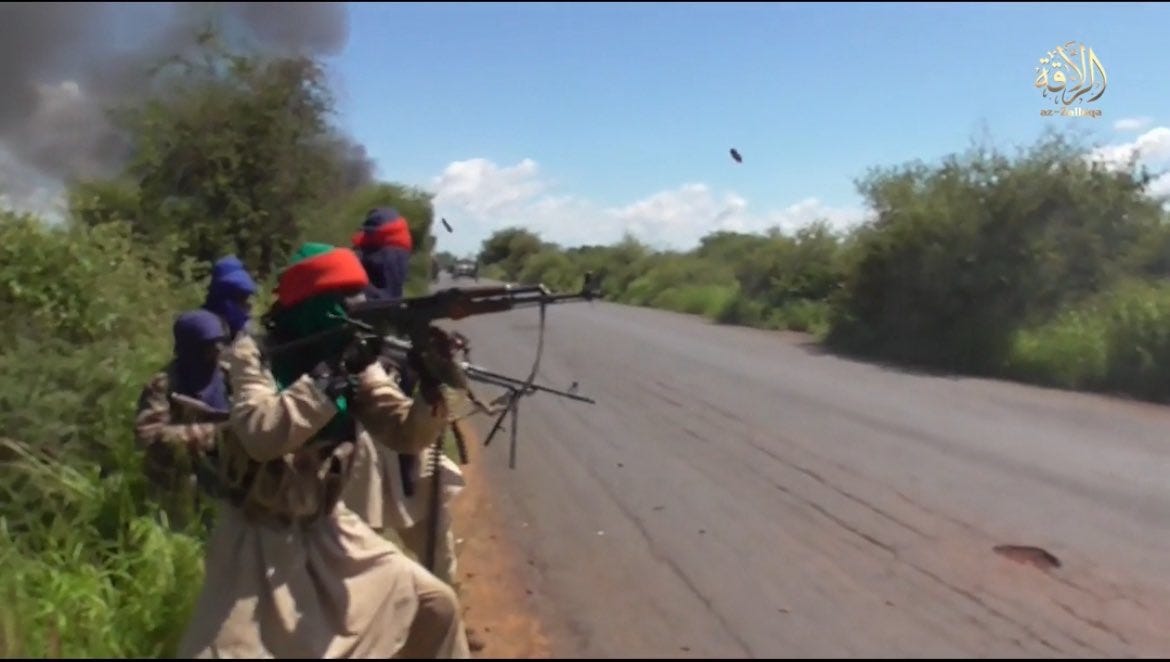
By targeting these interfaces, JNIM avoids confrontation with state power at its strongest and instead focuses on its most brittle points. The divergence, therefore, is tactical and contextual, not strategic. JNIM adapts its cognitive messaging to local conditions while maintaining a coherent overarching approach to influence, deterrence, and organisational learning.
4. Strategic and Cognitive Implications
The cumulative effect of JNIM’s 2025 visual campaign is the erosion of practical sovereignty, the everyday ability of the state to provide security, enforce rules, and protect collaborators. Even where formal authority remains intact, the perception of control is degraded. Populations adjust behaviour based on what appears enforceable, not on what is legally prescribed. From a strategic perspective, this represents a shift from territorial contestation to temporal and psychological contestation. Control is exercised intermittently but visibly, sufficient to undermine trust without incurring the costs of permanent occupation. JNIM’s approach demonstrates that deterrence in insurgency contexts does not require sustained high-intensity violence. Instead, selective, well-documented actions can achieve disproportionate effects. The visibility of attacks, particularly against symbolic or socially embedded targets, serves as a substitute for scale. This has direct implications for security planning. Threat assessments that focus primarily on casualty figures or territorial loss risk underestimating the impact of visually amplified operations on morale, cooperation, and risk perception. The visual contest undermines state and partner narratives of stabilisation and progress. When attacks are repeatedly shown in the exact locations, official claims of regained control are cognitively discounted. This creates a widening gap between formal messaging and lived experience, which insurgent actors are well-positioned to exploit. For external partners, the reputational dimension is particularly sensitive.
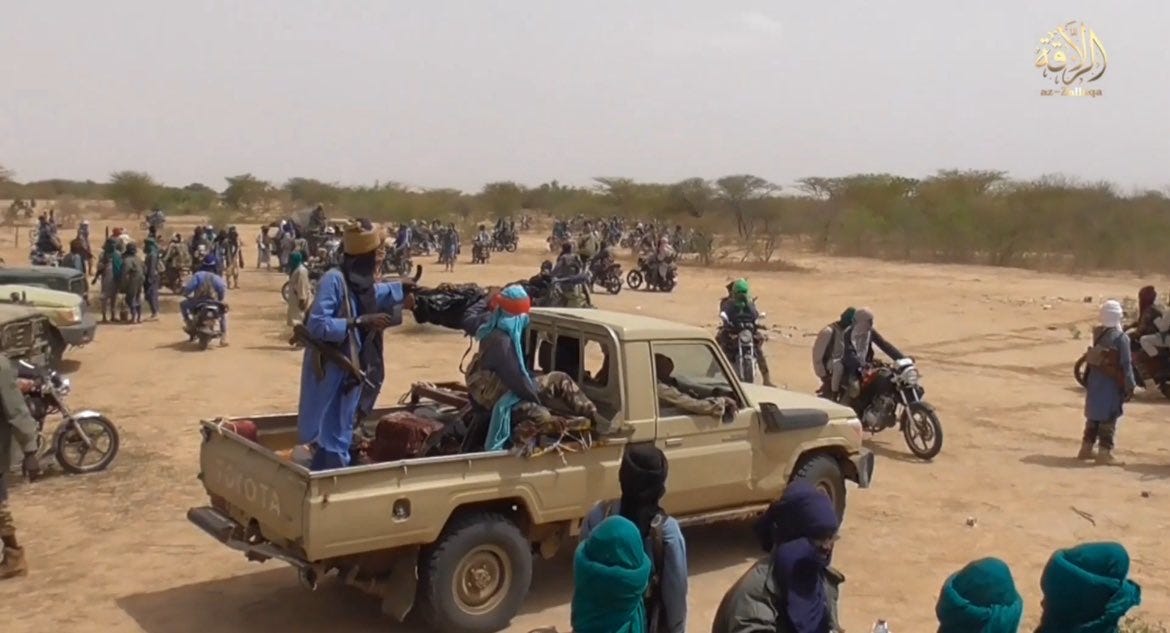
Visual narratives that portray foreign-supported forces as vulnerable or reactive can influence political decision-making far beyond the immediate theatre, affecting support, funding, and strategic patience. For travel security professionals, corporate security managers, and humanitarian actors, the findings highlight the importance of perception-driven risk. Locations that are repeatedly featured in insurgent visual campaigns may become de facto high-risk zones regardless of short-term security improvements. Visual recurrence itself becomes a risk indicator. Risk models that fail to account for cognitive signalling—such as repeated visual emphasis on specific routes, towns, or institutions may underestimate exposure and volatility. Finally, the convergence of operational activity and cognitive messaging suggests that counter-insurgency responses that neglect the information and perception domains are structurally incomplete. Tactical success that is not translated into visible, credible security gains risks being nullified by insurgent narrative dominance. JNIM’s 2025 campaign demonstrates that visual dominance can substitute for territorial dominance. Failing to contest this domain allows insurgent actors to define the conflict on their own terms, shaping how populations, security forces, and international audiences alike understand it.
Conclusions
This study has examined JNIM’s visual production in Mali and Burkina Faso throughout 2025, not as a peripheral propaganda activity, but as a central component of the group’s operational and strategic conduct. By analysing primary-source jihadist material through a cognitive-operational lens, the paper demonstrates that visual media functions as a weapon system in its own right, extending the effects of kinetic action, accelerating organisational learning, and shaping perceptions of control, risk, and authority. The evidence indicates that JNIM has moved beyond the classical model of post-event propaganda. Instead, its visual output is embedded within the operational cycle, anticipated during planning, and deliberately structured to serve multiple audiences simultaneously. Attacks are selected, framed, and disseminated in ways that amplify their psychological and reputational impact far beyond their immediate tactical footprint. In this sense, the group has internalised a core principle of contemporary conflict: visibility, when weaponised, can substitute for mass and persistence. Across both Mali and Burkina Faso, the visual campaign reveals a coherent strategic logic centred on the erosion of practical sovereignty. Rather than seeking permanent territorial control, JNIM repeatedly demonstrates the conditional and reversible nature of state authority. Isolated outposts, logistical corridors, auxiliary militias, and symbolic nodes of governance are portrayed as vulnerable, contested, and ultimately unreliable. The cumulative effect is not territorial conquest, but behavioural adaptation, by civilians, security forces, and international stakeholders alike. Crucially, the analysis shows that JNIM’s cognitive campaign is adaptive rather than static. Divergent emphases in Mali and Burkina Faso reflect contextual tailoring rather than doctrinal inconsistency. In Mali, visual messaging prioritises logistical interdiction and the reputational contestation of partner-based stabilisation models. In Burkina Faso, it focuses on community-level intimidation and the delegitimisation of locally embedded security actors. These differences underscore an organisation capable of calibrating its cognitive warfare to local conditions while maintaining a unified strategic purpose. From an organisational perspective, the visual corpus also highlights the role of media production in internal learning and standardisation. Recurrent tactical motifs, consistent sequencing, and repeated emphasis on specific capabilities suggest that videos function as informal doctrine, enabling decentralised adaptation without the need for formal training infrastructure. This capacity for distributed learning enhances resilience and complicates efforts to degrade the group through leadership decapitation or territorial denial alone. For analysts and decision-makers, the implications are clear. Assessments of insurgent capability and threat that privilege kinetic metrics, territory held, casualties inflicted, or individual attacks risk underestimating the strategic impact of visually mediated operations. JNIM’s 2025 campaign demonstrates that cognitive dominance can be pursued independently of sustained battlefield dominance. That failure to contest the perception space allows insurgent actors to define the terms of the conflict. More broadly, this case underscores the need to integrate cognitive-domain analysis into counterterrorism and counterinsurgency frameworks. Visual artefacts produced by non-state armed groups are not merely sources of information; they are instruments of influence that shape behaviour, constrain policy options, and affect the credibility of state and partner narratives. Ignoring this dimension does not neutralise it; it cedes it. Ultimately, JNIM’s visual campaign in 2025 illustrates a form of insurgency increasingly characteristic of contemporary conflicts: one in which operational success is measured not by what is held, but by what is believed. Recognising and addressing this reality is essential for any strategy seeking to counter not only the violence of jihadist movements, but the durable influence they exert over contested environments.
Appendices
Appendix A. Chronological Overview of JNIM Visualised Operations (2025)
This appendix provides a consolidated chronological overview of the events represented in the visual corpus analysed in this study. The list reflects only operations documented through official or semi-official JNIM visual material, primarily disseminated via az-Zallaqa Media and affiliated channels (Chaine al-Fath Media).
The timeline is not intended as a comprehensive record of all JNIM activity in 2025, but as a reference framework for understanding the sequencing, geographic concentration, and thematic evolution of the visual campaign.
Events span from January to December 2025, covering:
Mali: Sikasso, Kayes, Ségou, Mopti, Timbuktu, Gao
Burkina Faso: Sahel Region (Djibo), Yatenga, Sourou, Gourma, North Region
Recurring temporal clustering is observable during:
late spring (May–June),
late summer (August–September),
early autumn (October–November),
suggesting a correlation between operational tempo and the deliberate release of high-impact visual content.
Appendix B. Visual–Tactical Indicator Matrix
This appendix summarises the recurring visual and tactical indicators identified across the corpus. Indicators were coded only when directly observable in the material.
Key indicator categories include:
Massed motorcycle manoeuvre
Night-time operations
Use of unmanned aerial systems (ISR / aerial documentation)
Indirect fire (mortars, rockets)
SVBIED employment
Attacks on convoys and logistical assets
Attacks on auxiliary or community-based security forces
Post-attack control and aftermath documentation
The repeated co-occurrence of multiple indicators within single operations, particularly mobility, night fighting, and aerial footage, supports the assessment of tactical standardisation and cognitive signalling, rather than isolated innovation.
This matrix is designed to be replicable and adaptable for comparative analysis with other jihadist theatres.
Appendix C. Coding Criteria and Analytical Definitions
To ensure analytical transparency and reproducibility, the following definitions were applied throughout the study:
Operational Messaging
Visual content produced and disseminated as an integrated component of military operations, intended to extend tactical effects into the cognitive domain.Cognitive Signal
A visual element deliberately included to shape perception of capability, control, or inevitability (e.g., mass formation, aerial perspective, unchallenged movement).Observable Indicator
A feature directly visible in the material (e.g., night conditions, number of vehicles, type of weapon employed).Analytical Inference
A reasoned assessment derived from repeated patterns or contextual alignment, explicitly distinguished from observable fact.Practical Sovereignty
The de facto ability of the state to provide security, enforce rules, and protect collaborators on a sustained basis, regardless of formal authority.
Indicators were only elevated to analytical significance when:
They appeared repeatedly across different locations or time periods, or
They were integrated into multi-phase operations consistent with other observed patterns.
Appendix D. Analytical Utility for Security and Risk Assessment Practitioners
This appendix outlines how the findings of this study may be operationalised by non-academic stakeholders, including intelligence analysts, military planners, and security risk managers.
For intelligence and military analysis:
Visual recurrence of specific locations should be treated as an indicator of symbolic targeting, not merely tactical convenience.
The presence of aerial footage and night operations warrants reassessment of local threat perception, even absent evidence of advanced technology.
For travel security and corporate risk management:
Areas repeatedly featured in insurgent visual campaigns should be considered elevated-risk environments, irrespective of short-term security improvements.
Visual emphasis on road axes and convoys indicates persistent exposure for overland movement and logistics.
For policy and strategic planning:
Discrepancies between official stabilisation narratives and insurgent visual messaging should be monitored as early indicators of reputational erosion.
Auxiliary and community-based security actors represent critical cognitive vulnerabilities requiring protective and communicative measures.
A structured Red Cell Notes assessment accompanies this analysis, providing adversarial stress-testing of the core judgments and evaluating alternative escalation scenarios.
🔒 Executive Intelligence Cycle
This assessment is part of a broader analytical cycle.
Founding subscribers receive the Executive Intelligence Briefing, which integrates all threat assessments, cognitive domain analysis, and a rolling 30–90 day forecast into a single monthly strategic synthesis.
© Daniele Garofalo Monitoring - All rights reserved.
Daniele Garofalo is an independent researcher and analyst specialising in jihadist terrorism, Islamist insurgencies, and armed non-state actors.
His work focuses on continuous intelligence monitoring, threat assessment, and analysis of propaganda and cognitive/information dynamics, with an emphasis on decision-oriented outputs, early warning, and strategic trend evaluation.
ISSN (International Standard Serial Number): 3103-3520
NATO NCAGE: AX664 (NATO Commercial and Governmental Entity)
ORCID Code: 0009-0006-5289-2874