


Executive Intelligence Overview
This weekly intelligence brief documents and structures official jihadist propaganda output released between 1 and 7 March, providing structured situational awareness across multiple organisations and theatres.
The brief focuses on:
volume and distribution of official propaganda output,
organisational and geographic dispersion across theatres,
continuity and variation in operational claims and visual documentation,
appearance of new branding, campaign framing, or affiliate-level media differentiation.
The purpose of this product is to support systematic monitoring, structured comparison across reporting cycles, and longitudinal trend tracking. It provides an evidentiary baseline for subsequent analytical products and deeper theatre-specific assessments.
This publication does not include threat assessments, intent evaluation, or operational forecasting. Those components are addressed separately in dedicated analytical outputs.
🔹 Scope of Monitoring
This issue covers all identifiable official propaganda released by a predefined list of jihadist organisations and affiliated groups, selected based on operational relevance and threat level, during the reporting period.
The focus is strictly on documentation, classification, and structured presentation of primary-source material, enabling analytical reuse and historical comparison over time.
🔹 Sources & Collection Methodology
The analysis is based exclusively on primary-source propaganda material, including:
Official magazines,
Videos,
Photo sets,
Statements and claims of responsibility,
Audio statements.
Material is collected and categorised by organisation, media outlet, and content type.
The study relies on OSINT, IMINT, SOCMINT, and Digital HUMINT collection streams.
No secondary reporting, media commentary, or interpretative overlay is applied.
🔹 Analytical Boundaries & Limitations
Observed fluctuations in volume, language, or format should be interpreted as monitoring signals only, indicating activity trends, and not as definitive indicators of strategic or operational shifts, thereby helping analysts contextualize data correctly.
They should not be considered in isolation as indicators of strategic shifts, operational escalation, or changes in intent and capability, emphasizing the need for comprehensive analysis within broader intelligence products.
Strategic shifts,
Operational escalation,
Intent or capability changes.
All higher-order analytical interpretation is conducted separately within:
Intelligence Briefs,
Strategic Threat Outlooks,
Cognitive and Information Domain Assessments.
🔹 Monitored Propaganda Output and Weekly Monitoring Notes
This issue includes all primary propaganda material released during the week by:
Al-Qaeda and affiliates
AQAP
JNIM
Al-Shabaab
Ajnad Beit al-Maqdis
Islamic State
al-Naba Newspaper (weekly issue)
Official IS media channels.
Independent Jihadist Groups
Ittehad Mujahidin Pakistan
Tehrik-e-Taliban Pakistan
People’s Fighters’ Front
Jamāʿat Ahl as-Sunna li-daʿwa wa l-Jihād
The conclusions are included in the Weekly Monitoring Notes.
Al-Qaeda (AQ)
Al-Malahem Media, al-Qaeda in the Arabian Peninsula (AQAP), has released two propaganda videos. The first 6-minute video is part of the series Saham al-Haqq, which documents the attack by four fighters on a Transitional Council forces headquarters in Al-Mahfad, Abyan province, on 21 October.
The second video, lasting about 16 minutes, is the second part of the series Saham al-Haqq, showing the training of the four perpetrators and explaining how the attack took place (emphasising the use of a VBIED). Yemen
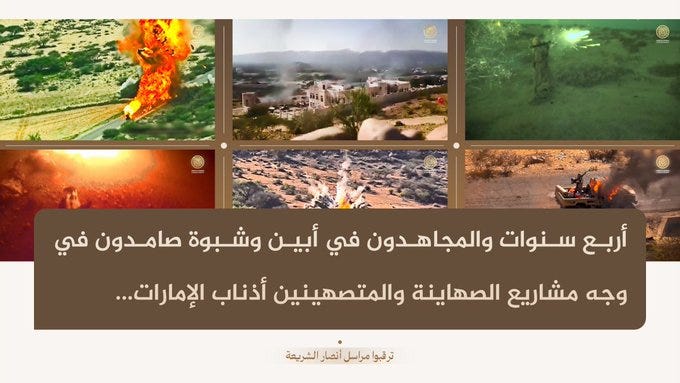
Az-Zallaqa Media, Jama’at Nasr al-Islam wal Muslimin (JNIM), issued 25 statements and 9 photos, claiming 28 attacks.
The targets of the attacks were: the Malian Army, the Russian PMC Africa Corps, the Burkinabé Army, the VDP militia, and the Benin Army.
The areas of the attacks were :
1) Burkina Faso = 18
- Mouhoun province, Lorum province, Sanmatenga province, Yatenga province, Gourma province, Sissili province;
2) Mali = 7
- Kidal region, Sikasso region, Timbuktu region;
3) Benin = 3
- Alibori department.
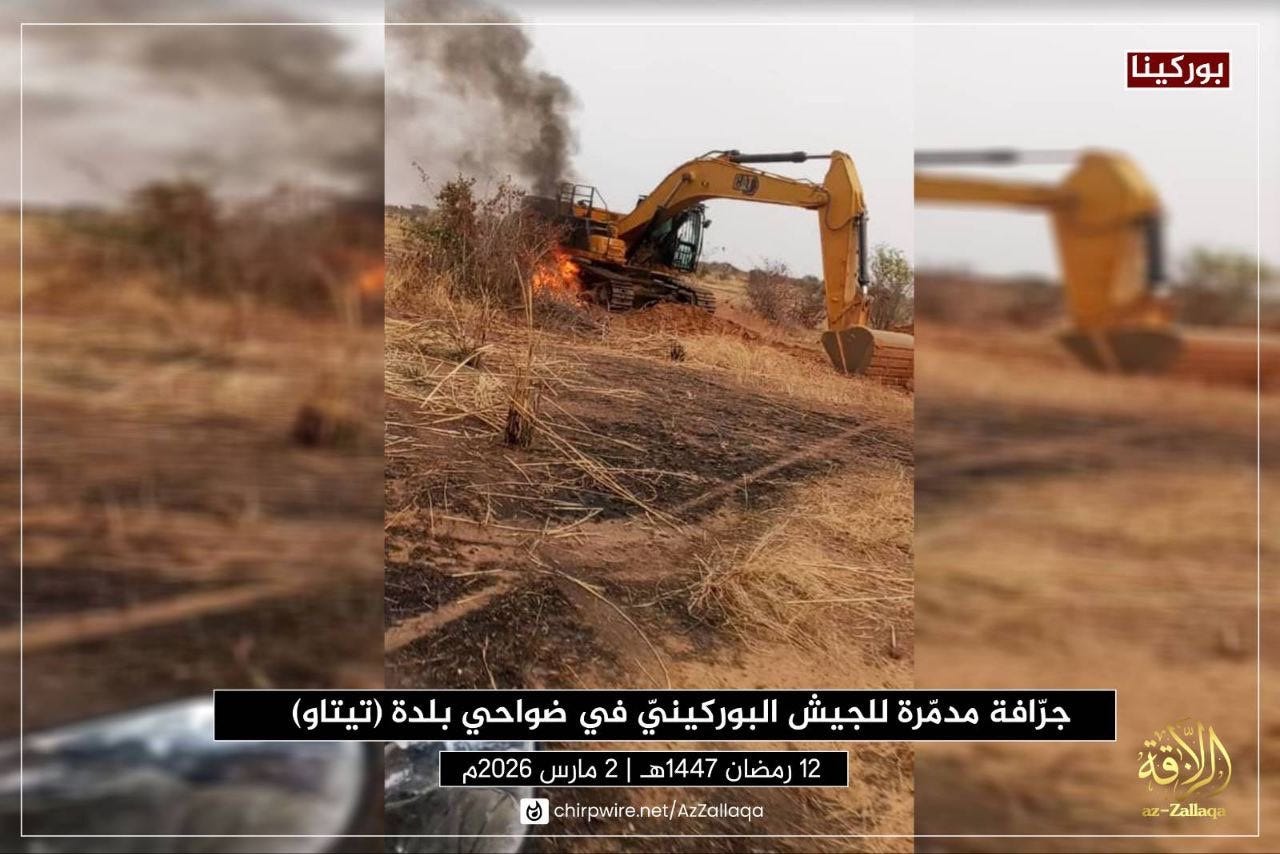
Az-Zallaqa Media, Jama’at Nasr al-Islam wal Muslimin (JNIM), released a 3:47-minute video showing an attack on Burkinabe Army barracks in the Samantenga province. Burkina Faso
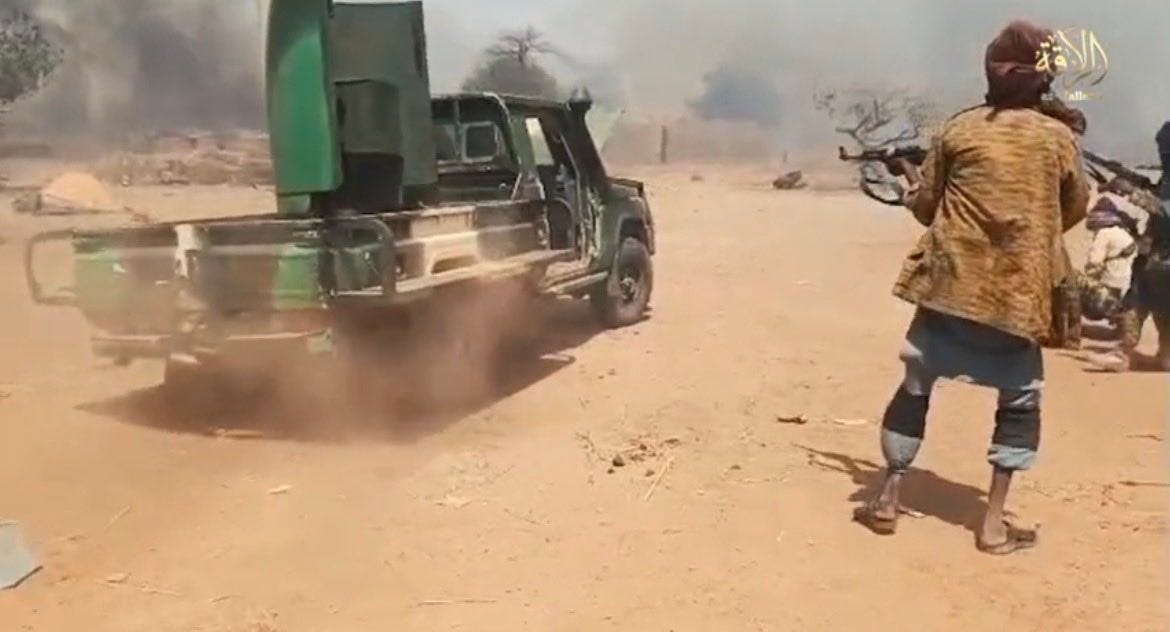
Al-Kataib Media, Harakat Al-Shabaab al-Mujahidin (AS) released a 1:28-minute video documenting its fighters’ attack on a checkpoint of pro-government Somali militias in the Baidoa area of the Bay region. Somalia
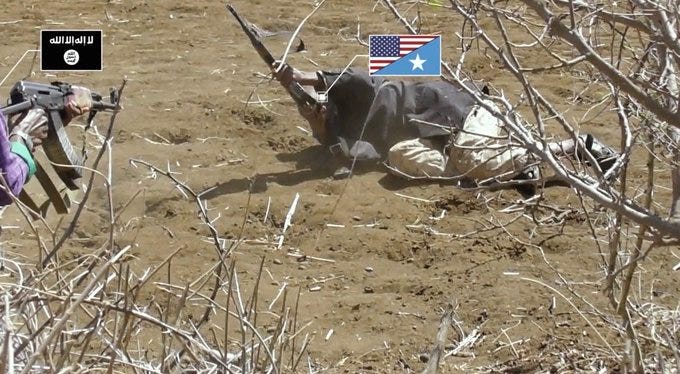
Al-Kataib Media, Harakat Al-Shabaab al-Mujahidin (AS) released a 5:07-minute video documenting its fighters’ attack on a convoy of Somali Danab Special Forces in the Kismayo area of the Bay region. Somalia
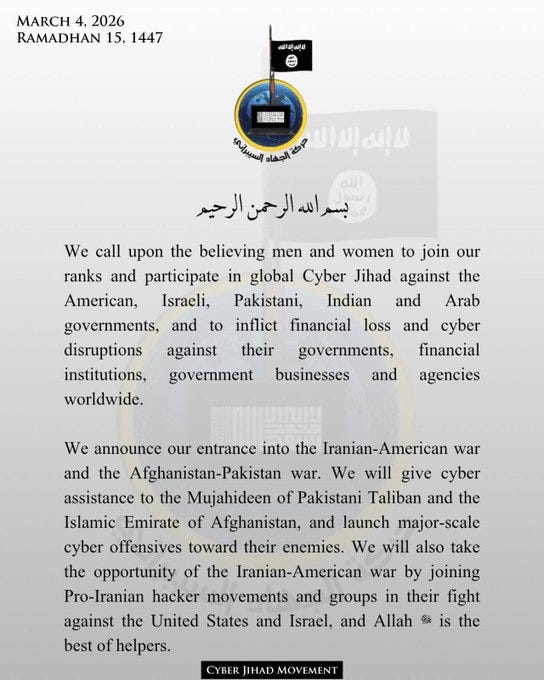
The Cyber Jihad Movement, an IT organisation linked to al-Qaeda, has published a statement in English. The document calls on Muslim men and women to join the activities of the so-called global cyber jihad.
The text identifies the governments and institutions of the United States, Israel, Pakistan, India, and several Arab countries as targets.
According to the statement, the desired operations include cyberattacks and digital sabotage aimed at causing economic losses and disrupting government, financial, and corporate computer systems.
The document also announces the group’s entry into the ongoing conflicts between Iran and the United States and between Afghanistan and Pakistan.
It declares its intention to provide cyber support to the Pakistani Taliban and the Islamic Emirate of Afghanistan to conduct cyber operations against their adversaries.
The text also states that the group intends to exploit the context of the conflict between Iran and the United States by collaborating with pro-Iranian movements and hacker groups in operations against the United States and Israel.
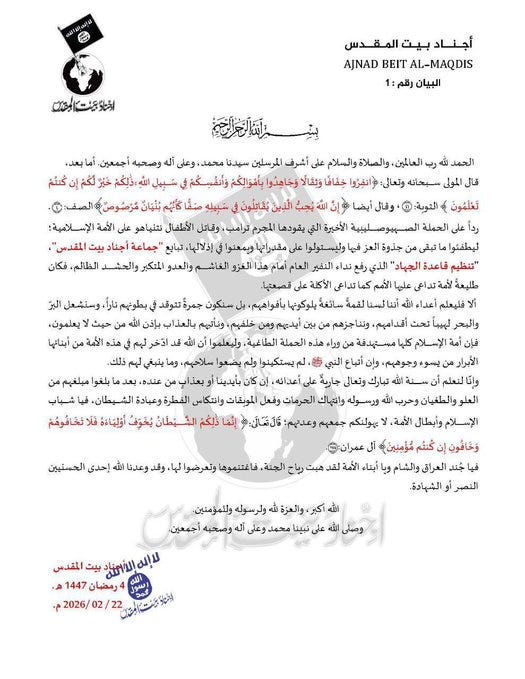
A new jihadist group has emerged in Iraq, Ajnad Beit al-Maqdis, which today released its first statement announcing its allegiance to al-Qaeda. The statement also calls on Iraqis and Syrians to wage jihad against the “Crusader-Zionist” aggressors, referring to the campaign launched by the US and Israel.
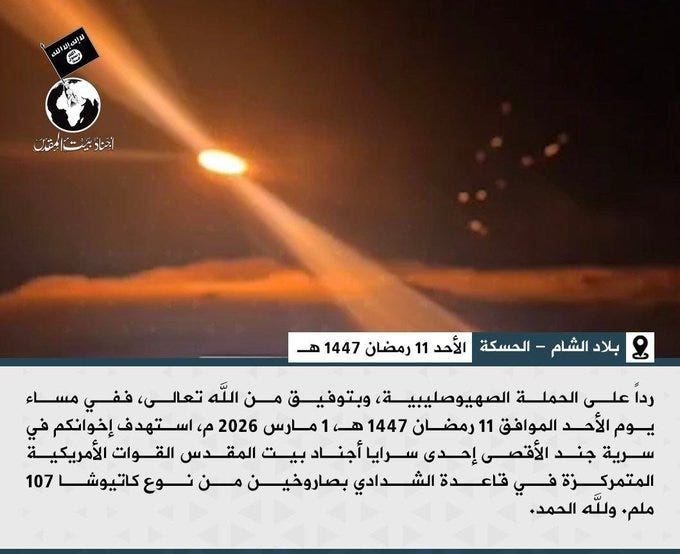
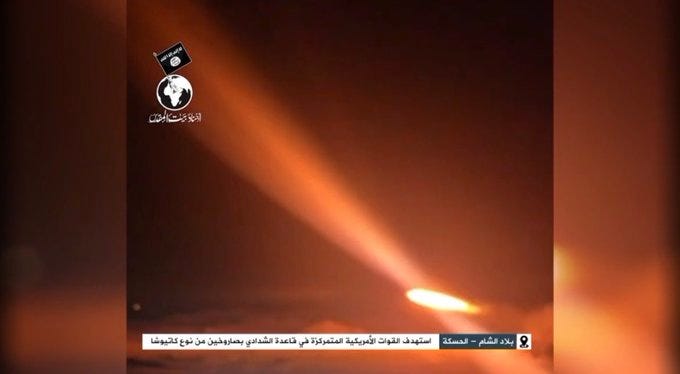
The new Iraqi jihadist group that recently pledged allegiance to al-Qaeda, Ajnad Beit al-Maqdis, released a statement claiming responsibility for its first military operation. The group attacked American forces stationed at the Al-Shaddadi base, launching two 107 mm Katyusha rockets.
The group explained that the operation was carried out by its Syrian unit called “Jund al-Aqsa”. Syria
The new Iraqi jihadist group, which recently pledged allegiance to al-Qaeda, Ajnad Beit al-Maqdis, released its first 41-second video showing an attack on American forces in the Al-Shaddadi area, al-Hasaka governorate. Syria
Islamic State (IS)
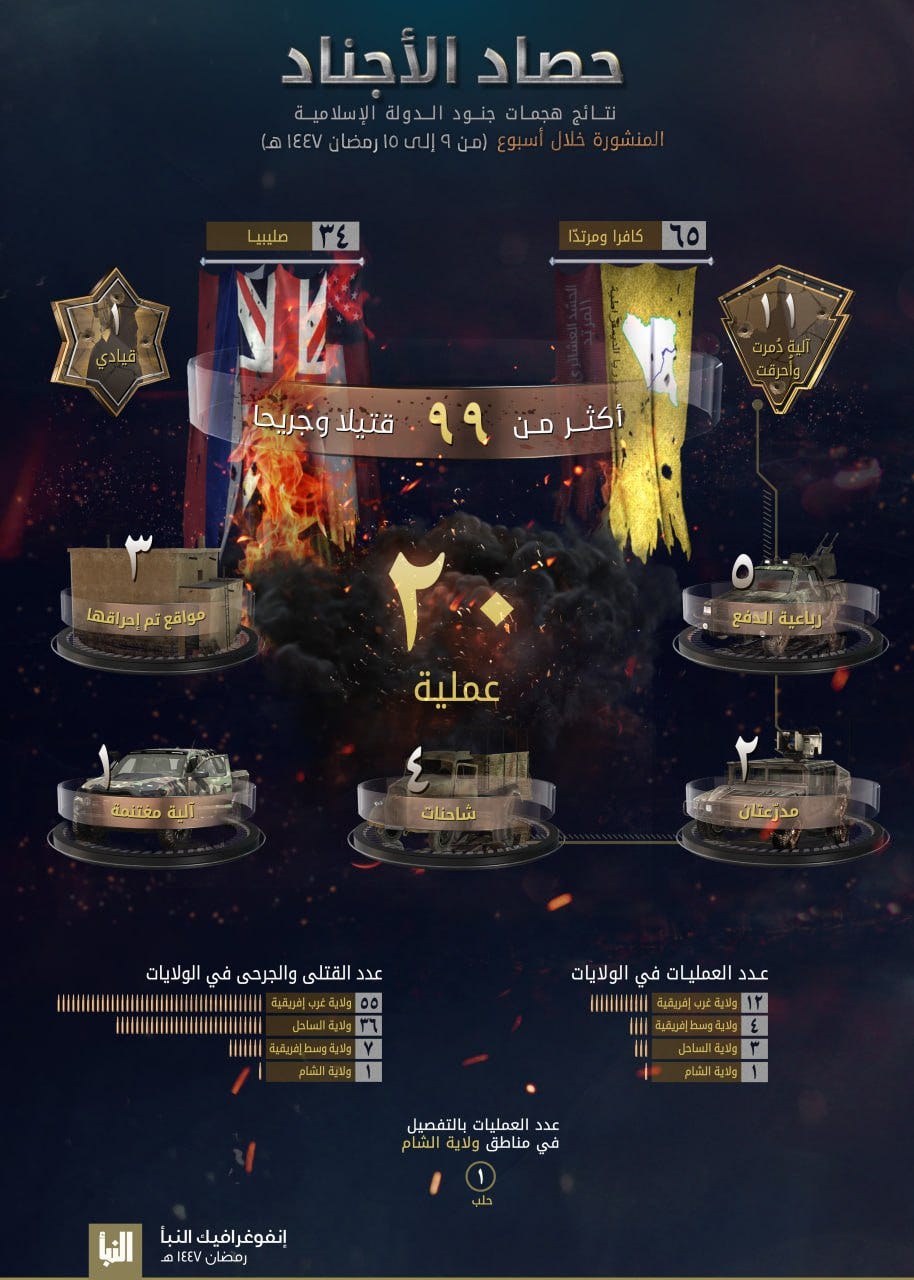
The official media of the Islamic State published an issue of the weekly al-Naba this week (536). Issue 537, eight pages long, covers the week of 9 to 15 Ramadan 1447, from 26 February to 4 March 2026. The main infographic summarises the areas affected by military operations this week, including Nigeria, Niger, Syria, Mozambique, and the Democratic Republic of Congo.
IS claims to have conducted 20 operations in all the mentioned areas and to have caused 99 deaths and injuries.
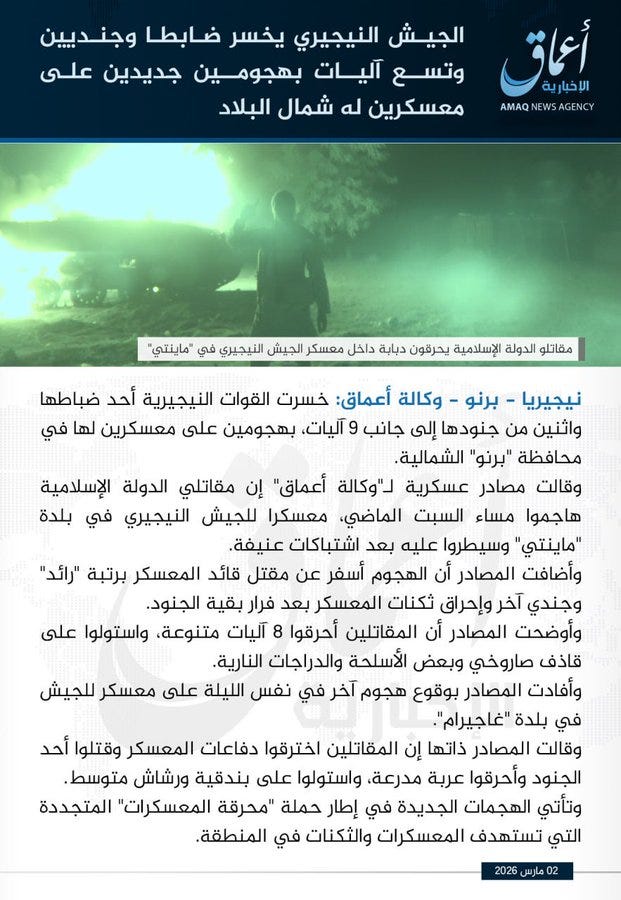
Amaq News Agency, the official media of the Islamic State, published a lengthy statement claiming two major attacks by West Africa province (ISWAP) against two Nigerian army camps in the area of Gajiram e Maikok, Borno state. Nigeria
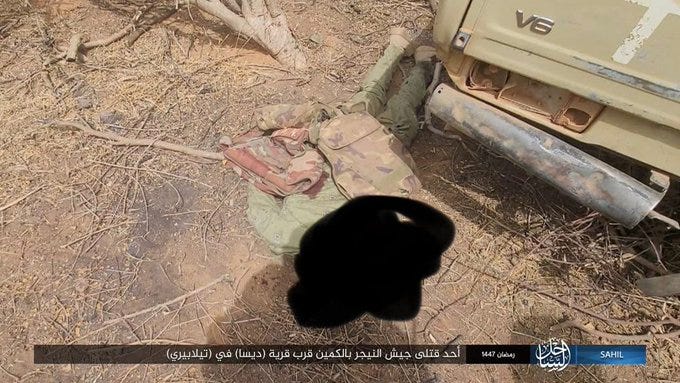
Official Islamic State media released a photo report showing an ambush set by Sahel province (IS-Sahel) fighters against the Niger Army in the Tillaberi region of Niger.
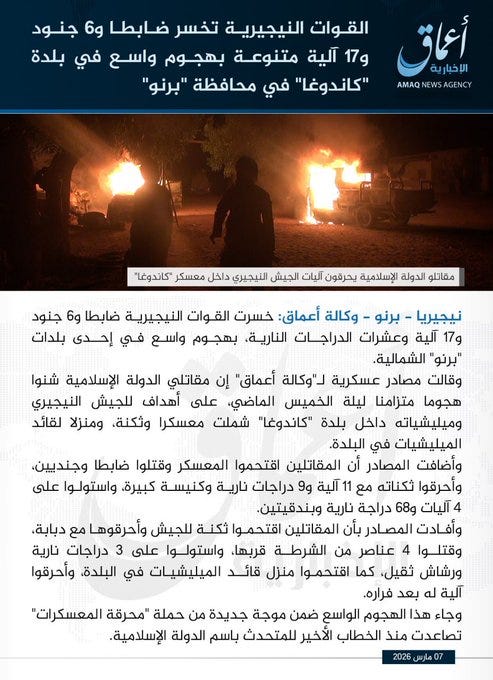
The Amaq News Agency, the official media of the Islamic State, published a lengthy statement claiming responsibility for two serious nighttime attacks carried out by the West Africa Province (ISWAP) against a camp and barracks belonging to the Nigerian army and pro-government militias in the Konduga area of Borno State. Nigeria
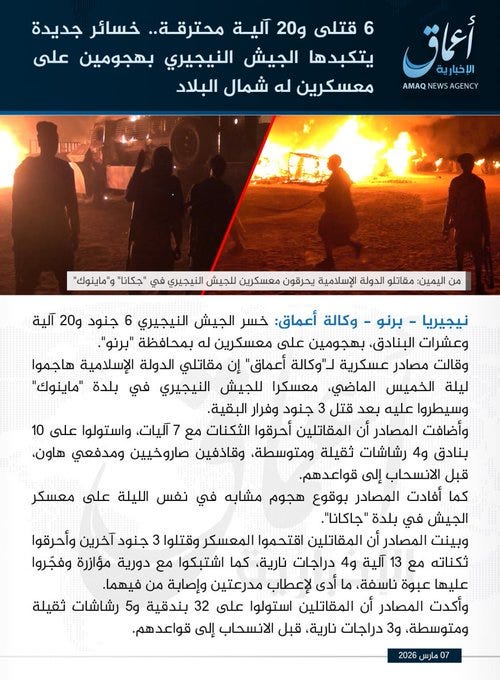
Amaq News Agency, the official media of the Islamic State, published a lengthy statement claiming two major nighttime attacks by West Africa province (ISWAP) against two Nigerian army camps in the area of Jakana e Maikok, Borno state. Nigeria
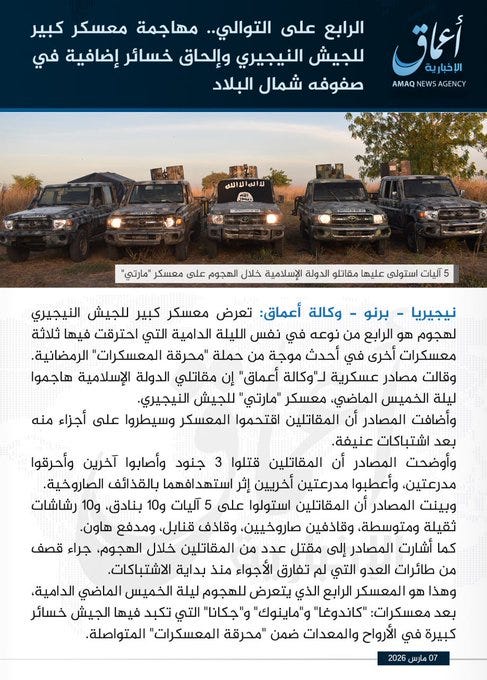
The Amaq news agency, the official mouthpiece of Islamic State, published a lengthy statement claiming responsibility for a serious night-time attack carried out by the West Africa Province (ISWAP) against a Nigerian Army camp in the Marte area of Borno State. Nigeria
Independent Jihadist Groups
Ittehad-ul-Mujahideen Pakistan (IMP), a Pakistani jihadist organisation comprising the Hafiz Gul Bahadur Group (HBG), Lashkar-e-Islam, and the Harkat Inqilab-e-Islami Pakistan (HIIP), released 19 statements, claiming 19 attacks.
Target: Pakistan Army, Pakistan Police, Frontier Corps,
Area:
- Bannu district, South Waziristan district, Khyber district, North Waziristan district, Mohmand district;
Khyber Pakhtunkhwa Province, Pakistan.
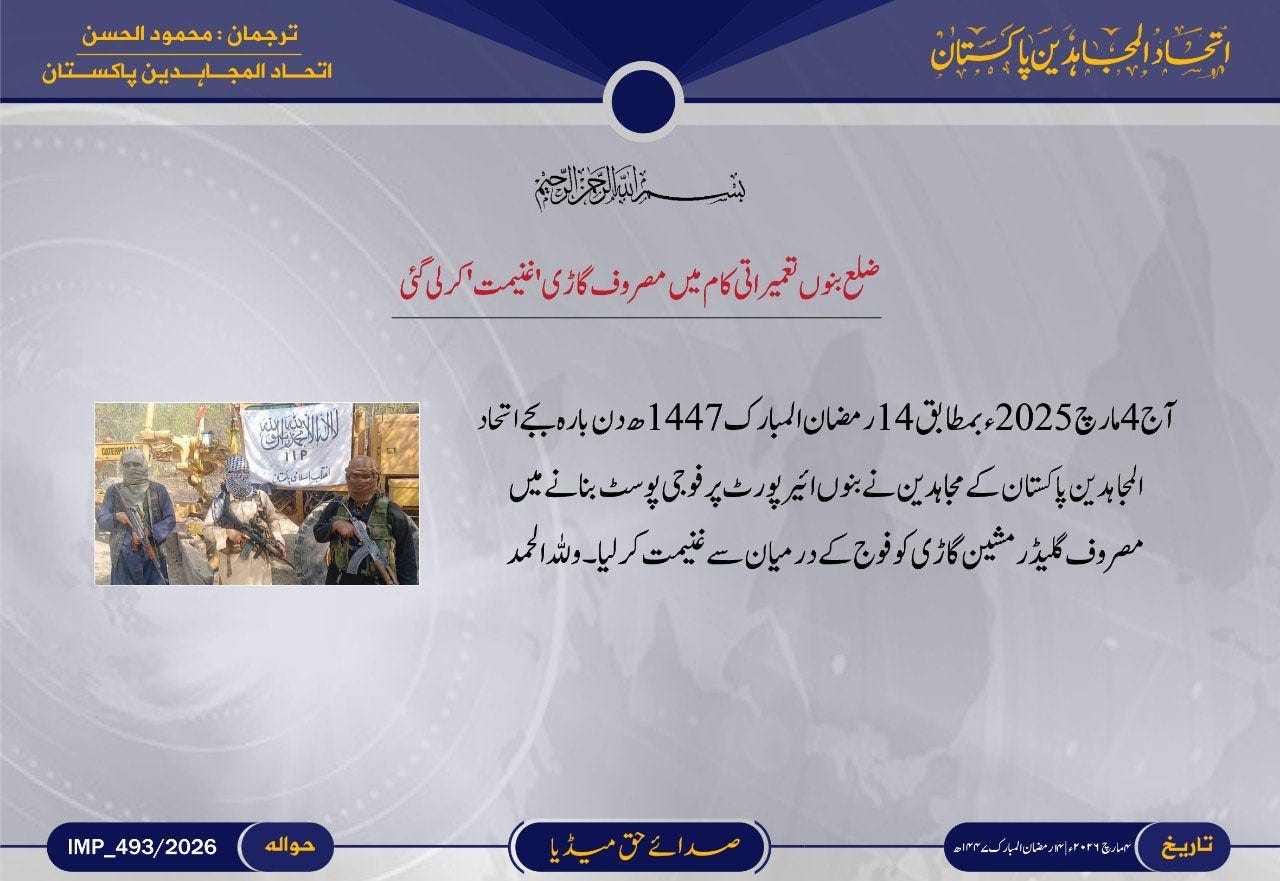
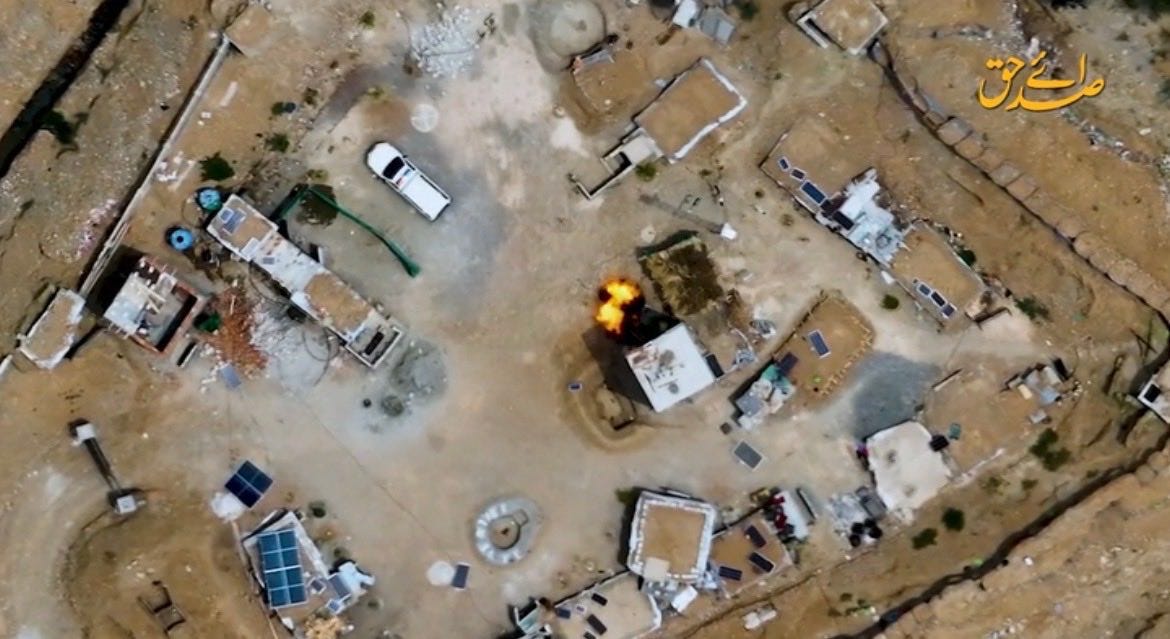
Ittehad-ul-Mujahideen Pakistan (IMP), a Pakistani jihadist organisation comprising the Hafiz Gul Bahadur (HBG) group, Lashkar-e-Islam, and Harkat Inqilab-e-Islami Pakistan (HIIP), has released a 3-minute, 13-second video showing numerous drone attacks on Pakistani army convoys, patrols, checkpoints, and barracks in the Bannu district of Khyber Pakhtunkhwa province, Pakistan.
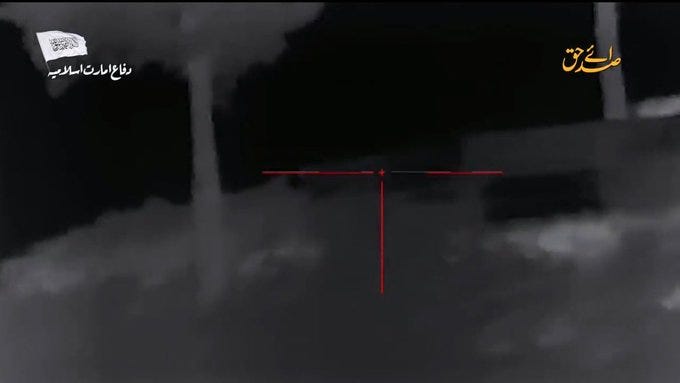
Ittehad-ul-Mujahideen Pakistan (IMP), a Pakistani jihadist organisation comprising the Hafiz Gul Bahadur (HBG) group, Lashkar-e-Islam, and Harkat Inqilab-e-Islami Pakistan (HIIP), released a 0:46-minute video showing numerous sniper attacks carried out against the Pakistani army in the Khyber district of Khyber Pakhtunkhwa province, Pakistan.
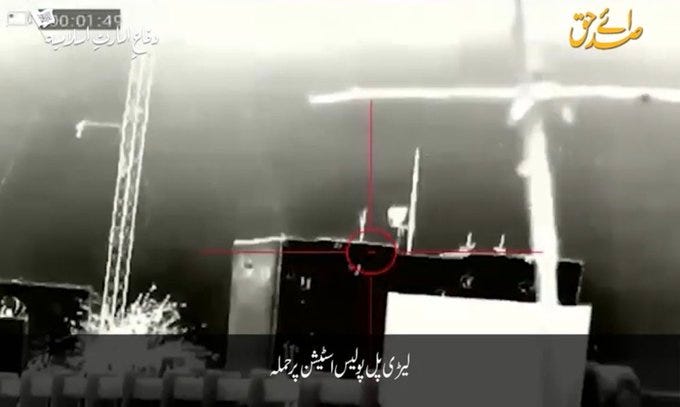
Ittehad-ul-Mujahideen Pakistan (IMP), a Pakistani jihadist organisation comprising the Hafiz Gul Bahadur (HBG) group, Lashkar-e-Islam, and Harkat Inqilab-e-Islami Pakistan (HIIP), has released a 4:30-minute video showing numerous sniper attacks carried out against the Pakistani army in the Bannu district of Khyber Pakhtunkhwa province, Pakistan.
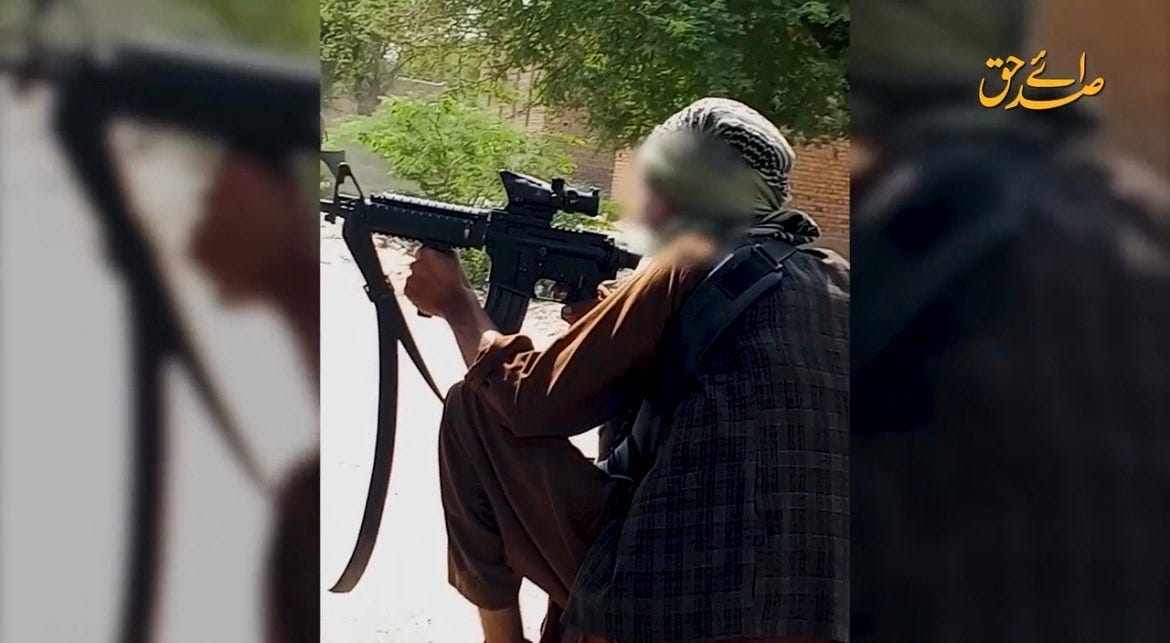
Ittehad-ul-Mujahideen Pakistan (IMP), a Pakistani jihadist organisation comprising the Hafiz Gul Bahadur (HBG) group, Lashkar-e-Islam, and Harkat Inqilab-e-Islami Pakistan (HIIP), released a 2:01-minute video showing numerous ambushes carried out against the Pakistani army in the Bannu district of Khyber Pakhtunkhwa province, Pakistan.
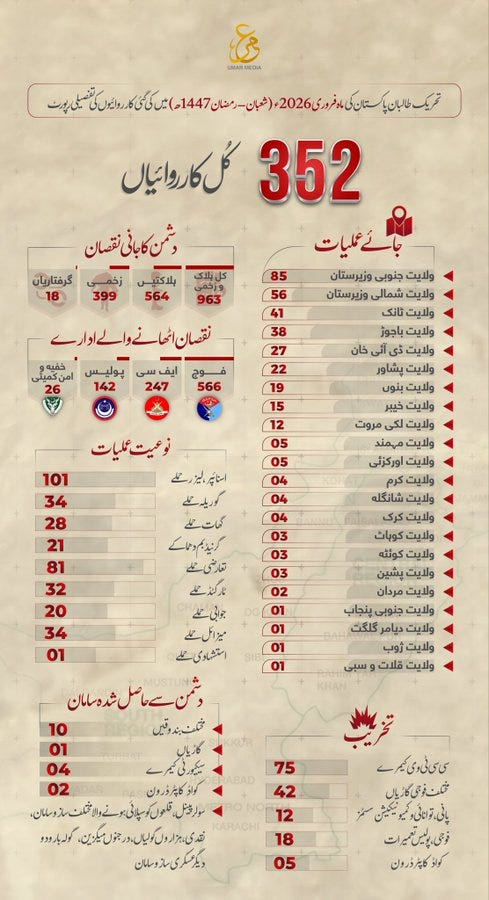
Umar Media, Tehrik-i-Taliban Pakistan (TTP), published its usual infographic summarising the attacks conducted in the previous month.
In February, the TTP claimed 352 attacks. The attacks affected 22 different Pakistani districts. Pakistan
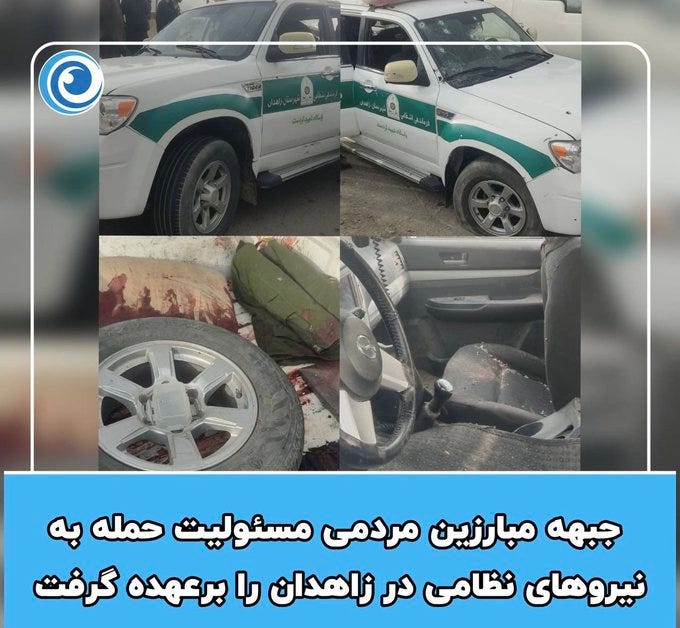
The jihadist organisation in Sistan and Baluchistan in Iran, the People’s Fighters’ Front, released a statement claiming responsibility for an attack on the police commander in the Zahedan area. Iran
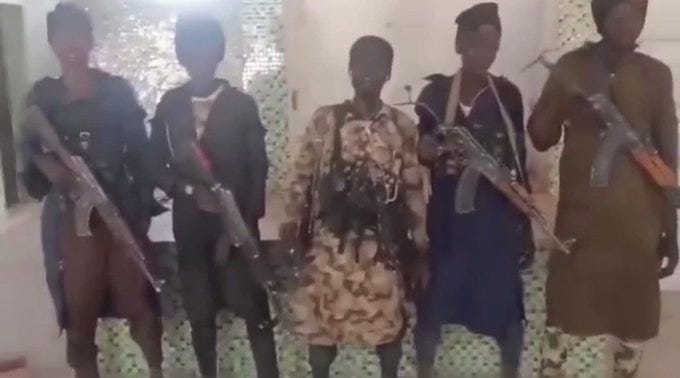
Militants from Jamāʿat Ahl as-Sunna li-daʿwa wa l-Jihād (JAS), aka Boko Haram, belonging to the Bakura Doro faction, released a video claiming responsibility for the attack in Ngosheh, in the state of Borno. Nigeria
🔹Weekly Monitoring Notes
During the reporting period from 1 to 7 March, jihadist propaganda output remained high and geographically diversified, with particularly strong activity from Al-Qaeda affiliates in the Sahel and Yemen, sustained Islamic State reporting focused on West Africa and the Sahel, and a further consolidation of Pakistan-based independent jihadist media activity. The week also stood out for the appearance of new or newly branded actors, both in the Levant and within the broader pro-al-Qaeda cyber ecosystem.
Al-Qaeda-linked output showed a marked increase in volume, format diversity, and geographic spread. JNIM remained one of the most active actors of the week, with a high number of claims concentrated primarily in Burkina Faso, followed by Mali and a smaller but notable extension into Benin. Az-Zallaqa Media maintained a familiar reporting structure based on statements, limited photo documentation, and short battlefield video releases. The overall pattern confirmed continued emphasis on routine operational visibility across the central Sahel. AQAP also increased its media presence through two videos linked to the Al-Mahfad attack in Abyan, combining retrospective operational documentation with training footage and attack reconstruction. This type of content served both archival and instructional functions within the group’s media ecosystem.
Al-Shabaab maintained a steady operational media posture through short videos documenting attacks on Somali militia and Danab targets in southern Somalia. Its output remained concise, tactical, and visually functional, with no significant change in format. More unusual within the wider Al-Qaeda-aligned space was the emergence of additional messaging layers beyond conventional battlefield propaganda. The Cyber Jihad Movement issued an English-language statement calling for cyber attacks and digital sabotage against a broad list of state and institutional targets, while also declaring support for Taliban-aligned and pro-Iranian actors in selected conflict environments. Although distinct from classic insurgent battlefield media, this material contributed to the week’s broader expansion of Al-Qaeda-adjacent messaging.
A further notable development was the appearance of Ajnad Beit al-Maqdis. This new Iraqi jihadist formation publicly pledged allegiance to al-Qaeda and rapidly followed its founding statement with a claim of responsibility and a short attack video. The group’s first messaging cycle was tightly sequenced, moving from a declaration of allegiance to an operational claim, then to visual proof of action. Regardless of its future relevance, the emergence of a new branded actor within the pro-al-Qaeda milieu represented a significant development in monitoring during the week.
Islamic State official media maintained a structured and recognisable reporting rhythm. Al-Naba issue 537 followed the established weekly format, with operations spanning Nigeria, Niger, Syria, Mozambique, and the Democratic Republic of the Congo. Supporting releases from Amaq and official provincial media remained heavily concentrated on West Africa and the Sahel, especially Borno State and Tillaberi. The week’s IS package showed continuity rather than innovation, relying on repeated claims amplification, selective visual documentation, and standardised infographic presentation.
Independent jihadist groups were highly visible, especially in Pakistan. Ittehad-ul-Mujahideen Pakistan significantly expanded its media footprint through a high number of operational claims and a diversified set of short videos showcasing drone attacks, sniper operations, and ambushes. This represented one of the most intensive propaganda cycles by independent actors observed in recent weeks. TTP maintained its routine monthly statistical reporting through its attack infographic, while the People’s Fighters’ Front in Iran continued its lower-volume but persistent claims-based messaging. The release by Bakura Doro–aligned JAS added a West African independent jihadist element to the week’s media picture.
Across the reporting period, dissemination patterns remained stable across established encrypted and semi-encrypted platforms (Telegram, Signal, Element, Chirpwire, Rocket Chat, UpScrolled) with no visible shift in distribution architecture. Overall, Week 1–7 March was characterised by high output density, widening actor diversity, and a notable overlap between conventional operational propaganda, training-related content, coalition-linked messaging, and newly emerging brand identities within the wider jihadist media environment.
🔒 Executive Intelligence Cycle
This assessment is part of a broader analytical cycle.
Founding subscribers receive the Executive Intelligence Briefing, which integrates all threat assessments, cognitive domain analysis, and a rolling 30–90 day forecast into a single monthly strategic synthesis.
© Daniele Garofalo Monitoring - All rights reserved.
Daniele Garofalo is an independent researcher and analyst specialising in jihadist terrorism, Islamist insurgencies, and armed non-state actors.
His work focuses on continuous intelligence monitoring, threat assessment, and analysis of propaganda and cognitive/information dynamics, with an emphasis on decision-oriented outputs, early warning, and strategic trend evaluation.
ISSN (International Standard Serial Number): 3103-3520
NATO NCAGE: AX664 (NATO Commercial and Governmental Entity)
ORCID Code: 0009-0006-5289-2874