


Executive Intelligence Overview
This weekly intelligence brief documents and structures official jihadist propaganda output released between 24 and 31 May, providing structured situational awareness across multiple organisations and theatres.
This brief highlights operational claims and targets, emphasising their importance for threat recognition and strategic focus, aiding analysts and policymakers in understanding ongoing threats and their strategic implications.
The purpose of this product is to support systematic monitoring, providing reassurance to analysts and policymakers that threat trends are being tracked thoroughly and that their efforts are crucial to understanding threats.
This publication does not include threat assessments, intent evaluation, or operational forecasting. Those components are addressed separately in dedicated analytical outputs.
🔹 Scope of Monitoring
This issue covers all identifiable official propaganda from a predefined list of jihadist groups, selected for operational relevance and threat level, during the reporting period, enhancing situational awareness.
The focus on documentation, classification, and structured presentation of primary-source material aims to instil confidence in analysts and policymakers about the reliability of the data used for threat assessment.
🔹 Sources & Collection Methodology
The analysis relies solely on primary-source propaganda, such as official magazines, videos, photos, statements, claims, and audio recordings, to clarify the scope of sources and bolster data reliability for threat assessment.
Official magazines,
Videos,
Photo sets,
Statements and claims of responsibility,
Audio statements.
Material is collected and categorised by organisation, media outlet, and content type.
The study relies on OSINT, IMINT, SOCMINT, and Digital HUMINT collection streams.
No secondary reporting, media commentary, or interpretative overlay is applied.
🔹 Analytical Boundaries & Limitations
Fluctuations in volume, language, or format serve as signals of activity trends that analysts should interpret in a broader context to support accurate threat assessment and avoid overestimating their significance.
They shouldn’t be considered in isolation as indicators of strategic shifts, operational escalation, or changes in intent and capability; instead, they should be analysed within broader intelligence products.
Strategic shifts,
Operational escalation,
Intent or capability changes.
All higher-order analytical interpretation is conducted separately within:
Intelligence Briefs,
Strategic Threat Outlooks,
Cognitive and Information Domain Assessments.
🔹 Monitored Propaganda Output and Weekly Monitoring Notes
This issue includes all primary propaganda material released during the week by:
Al-Qaeda and affiliates
JNIM
Al-Shabaab
AQAP
AQIS
Islamic State
al-Naba Newspaper (weekly issue)
Official IS media channels.
Independent Jihadist Groups
Ittehad Mujahidin Pakistan
The conclusions are included in the Weekly Monitoring Notes.
Al-Qaeda (AQ)
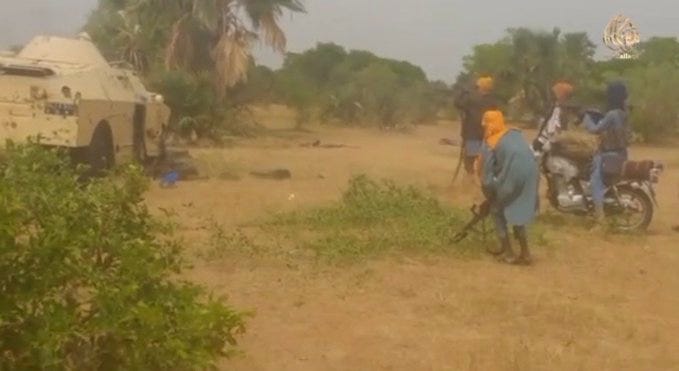
Az-Zallaqa Media, a Jama’at Nasr al-Islam wal Muslimin (JNIM) affiliate, published a 2- to 13-minute video showing an ambush of a Malian army patrol in the Ségou region. Mali
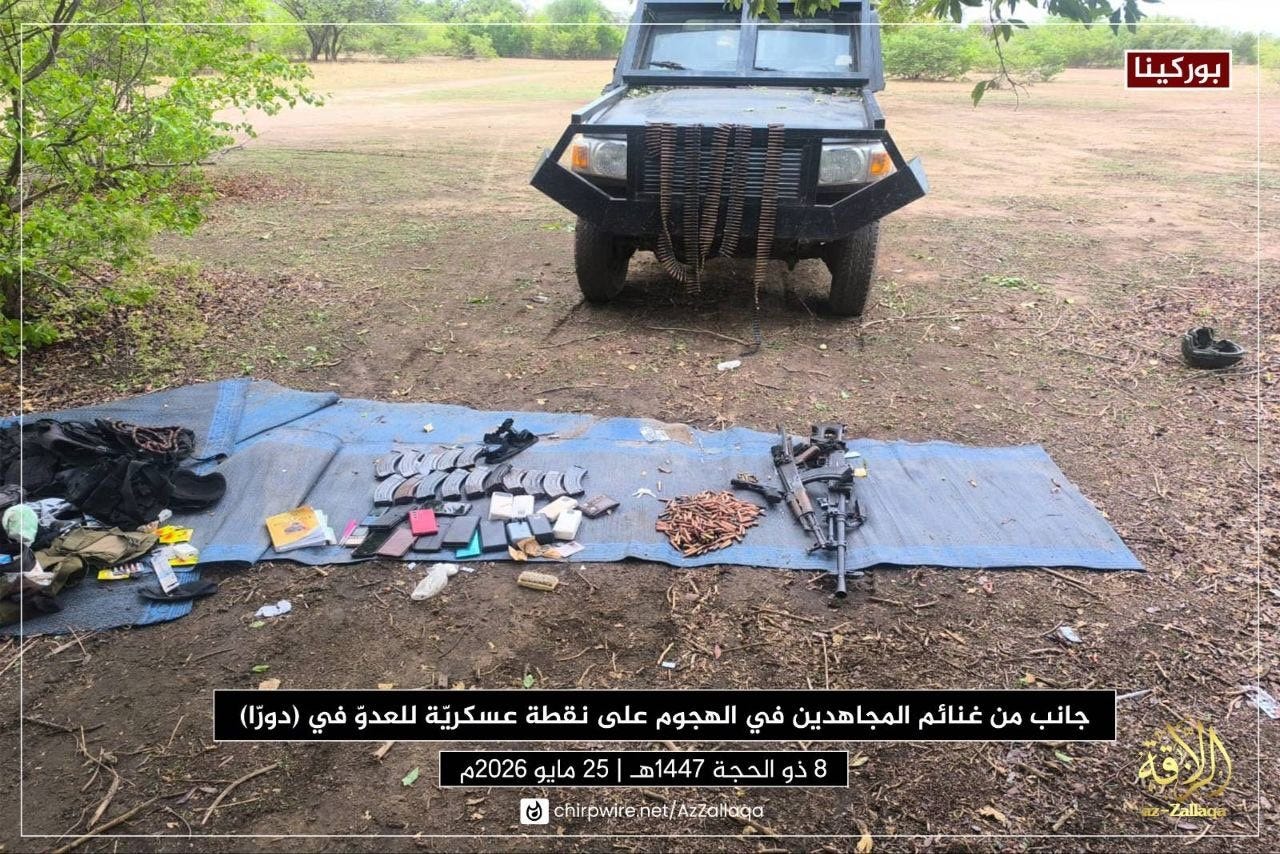
Az-Zallaqa Media, Jama’at Nasr al-Islam wal Muslimin (JNIM), issued 10 statements and 10 photos, claiming 15 attacks.
The targets of the attacks were: Malian Army, Malian pro-Government militia, Russian PMC Africa Corps, Burkinabé Army, VDP militia, Benin Army.
The areas of the attacks were :
1) Burkina Faso = 7
- Yatenga province, Sissili province, Loroum province, Mouhoun province.
2) Mali = 5
- Ségou region, Kidal region.
3) Benin = 3
- Atakora department.
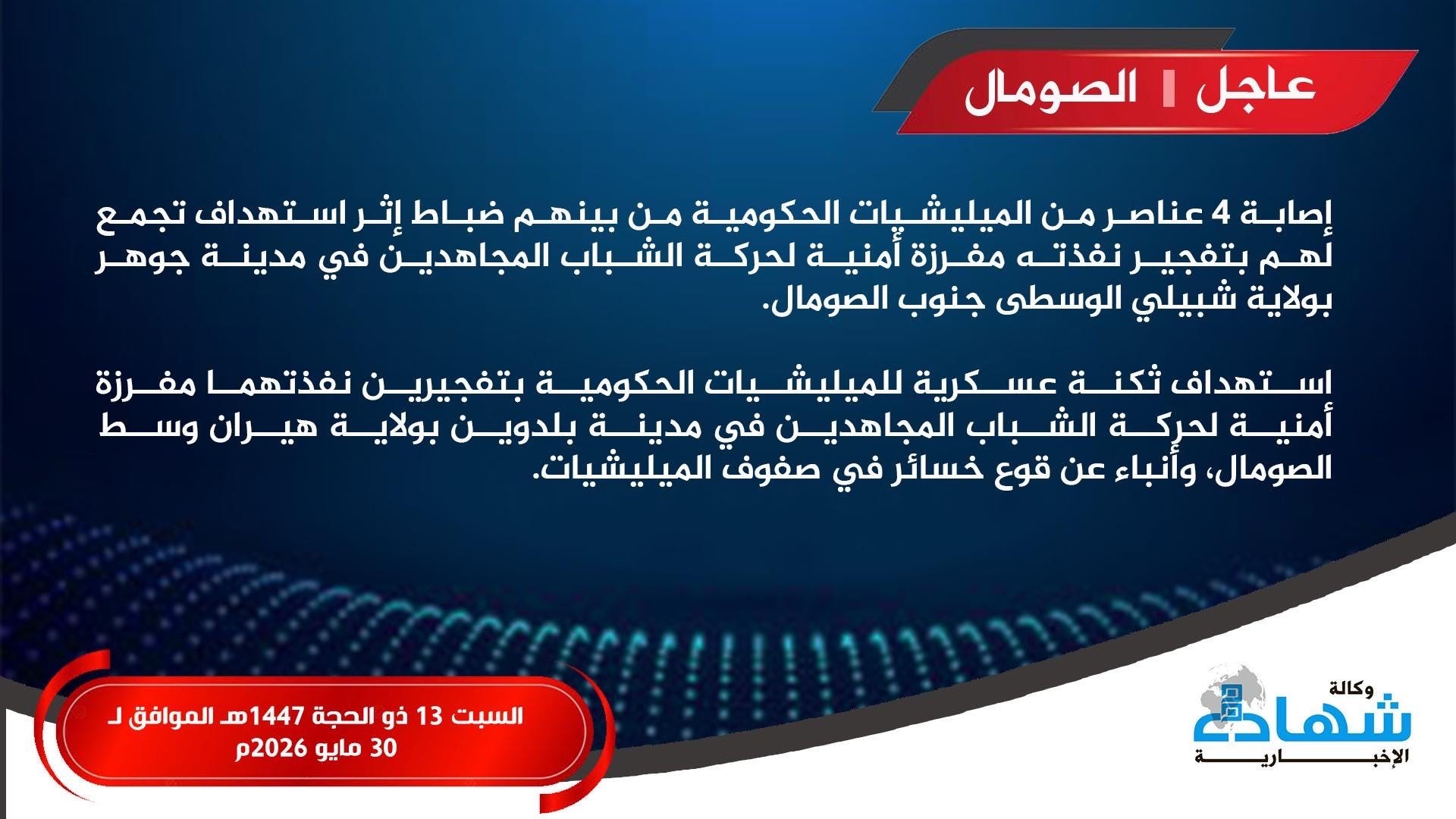
The Shahada News Agency, Harakat al-Shabaab al-Mujahidin (AS), released 5 statements claiming responsibility for 10 attacks.
The targets of the attacks were: Somali Intelligence, Somali pro-government militia, Kenyan Army.
The areas affected by the attacks were:
1) Somalia = 4
- Merca area, Lower Shabelle region; Beledweyne area, Hiiran region; Jowhar area, Middle Shabelle region.
2) Kenya = 6
- Dadaab area, Dayo area, Igari area, Garissa County;
- Sheikh Baru area, Mandera County.
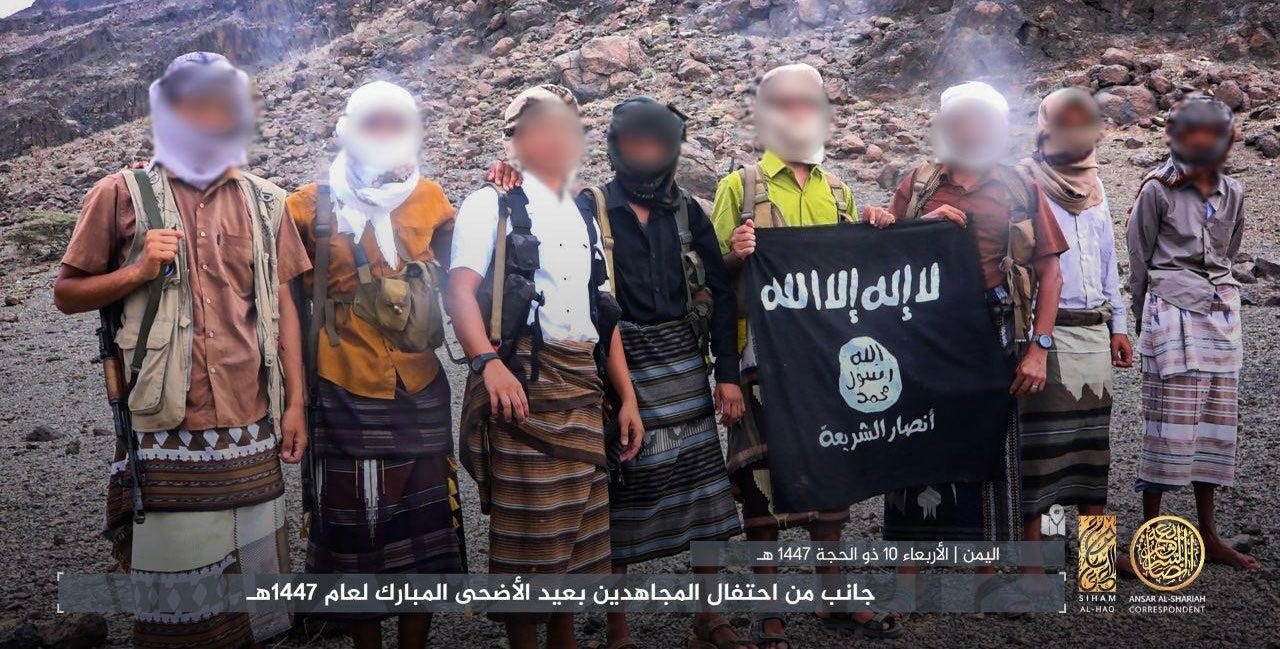
Ansar al-Sharia Correspondent, Al-Qaeda in the Arabian Peninsula (AQAP), published a photo report documenting its members’ celebration of Eid al-Adha in various parts of Yemen (likely Abyan and Shabwa).
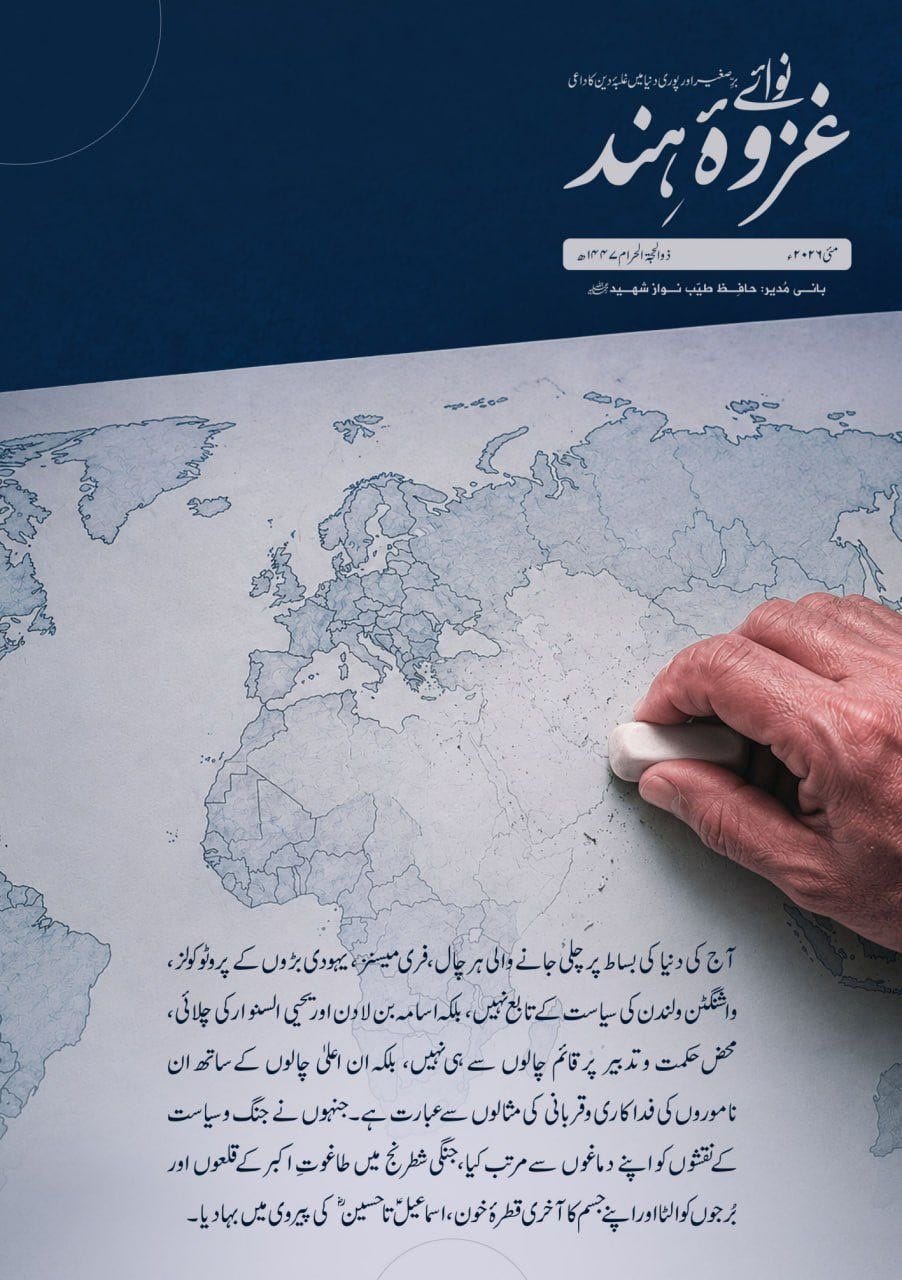
Al-Qaeda in the Indian Subcontinent (AQIS) published the May 2026 issue of its magazine “Nawa'i Ghazwat al-Hind”.
The magazine runs to 143 pages and includes a collection of doctrinal, political and organisational articles relating to Al-Qaeda’s narrative, focusing on:
• Criticism of Western policies and the international role of the United States and its allies.
• Analysis of the political and security situations in Pakistan, Afghanistan and South Asia from a pro-Al-Qaeda perspective.
• Publication of proselytising and ideological articles inciting armed jihad and justifying the organisation’s activities.
• Highlighting of figures and leaders associated with the jihadist movement in the region.
• Inclusion of material relating to security and military developments in Pakistan and Afghanistan.
• Publication of a statistical infographic analysing the results of operations conducted by groups affiliated with al-Qaeda (Al-Shabaab, JNIM, Ittihad al-Mujahideen Pakistan) during the period February–March–April 2026.
Islamic State (IS)
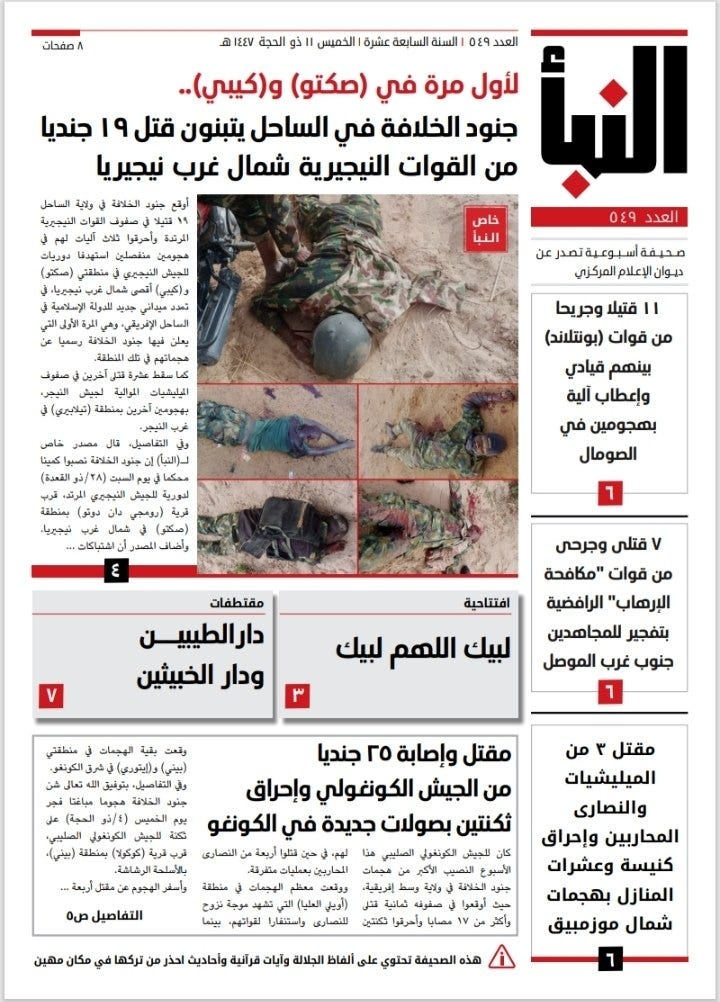
The official media of the Islamic State published an issue of the weekly al-Naba this week (549). Issue 549, eight pages long, covers the week of 4 to 10 Dhu al-Hijjah 1447, from 21 to 27 May 2026.
The main infographic summarises the areas affected by military operations this week, including:
Nigeria, Somalia, Niger, Mozambique, Iraq and the Democratic Republic of Congo.
IS claims to have conducted 21 operations in all the mentioned areas and to have caused 85 deaths and injuries.
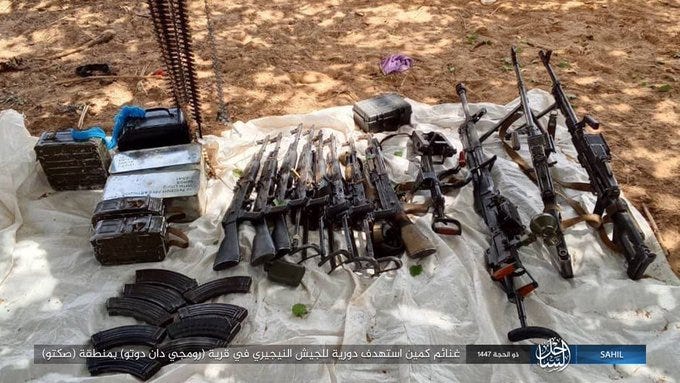
The Islamic State’s official media outlets have published a photo report showing the attack carried out by fighters from the Sahel province (IS-Sahel) against a Nigerian army patrol in Sokoto State, Nigeria.
Independent Jihadist Groups
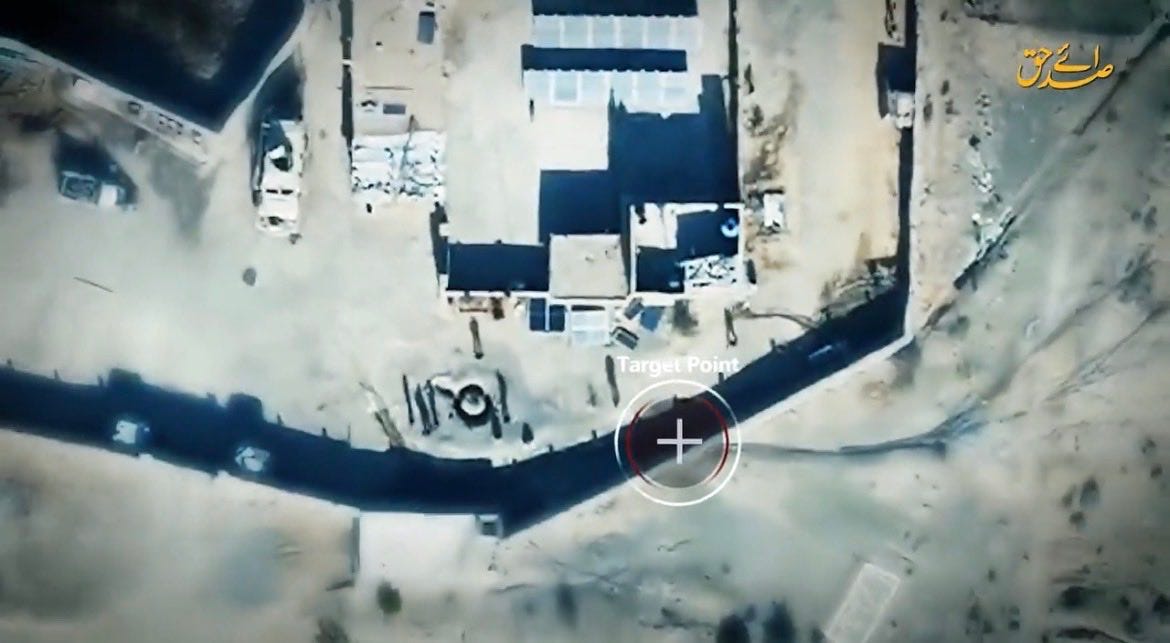
Ittehad-ul-Mujahideen Pakistan (IMP), a Pakistani jihadist organisation comprising the Hafiz Gul Bahadur (HBG) group, Lashkar-e-Islam and Harkat Inqilab-e-Islami Pakistan (HIIP), released a 4:27-minute video showing several drone attacks against the Pakistan Army barracks, checkpoints and military bases in the province of Khyber Pakhtunkhwa, Pakistan.
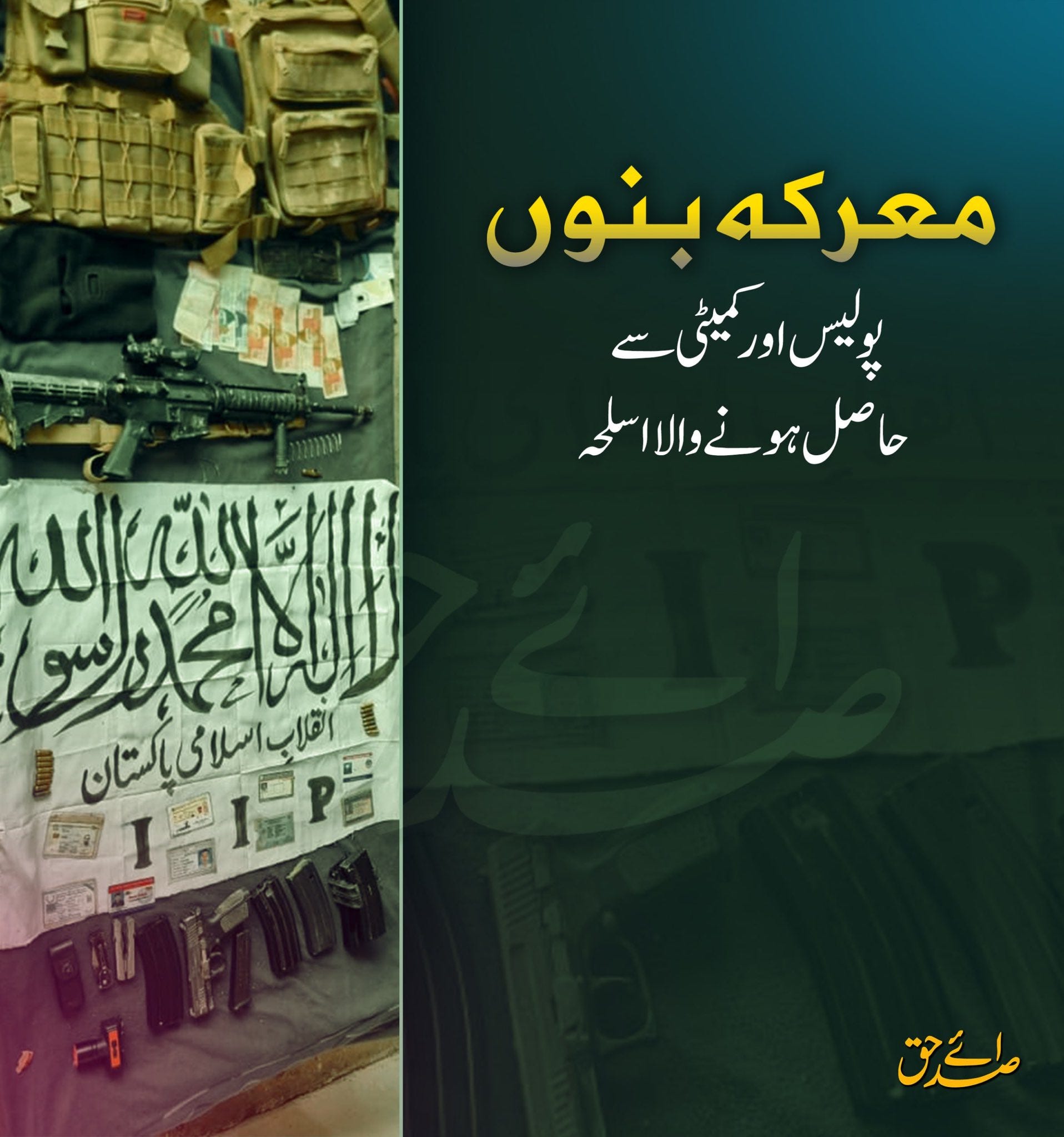
Al-Mansur Media, Ittehad-ul-Mujahideen Pakistan (IMP), a Pakistani jihadist organisation comprising the Hafiz Gul Bahadur (HBG) group, Lashkar-e-Islam and Harkat Inqilab-e-Islami Pakistan (HIIP), released 3 videos showing several attacks against the Pakistani police checkpoints and patrols in the district of Bannu, in the province of Khyber Pakhtunkhwa, Pakistan.
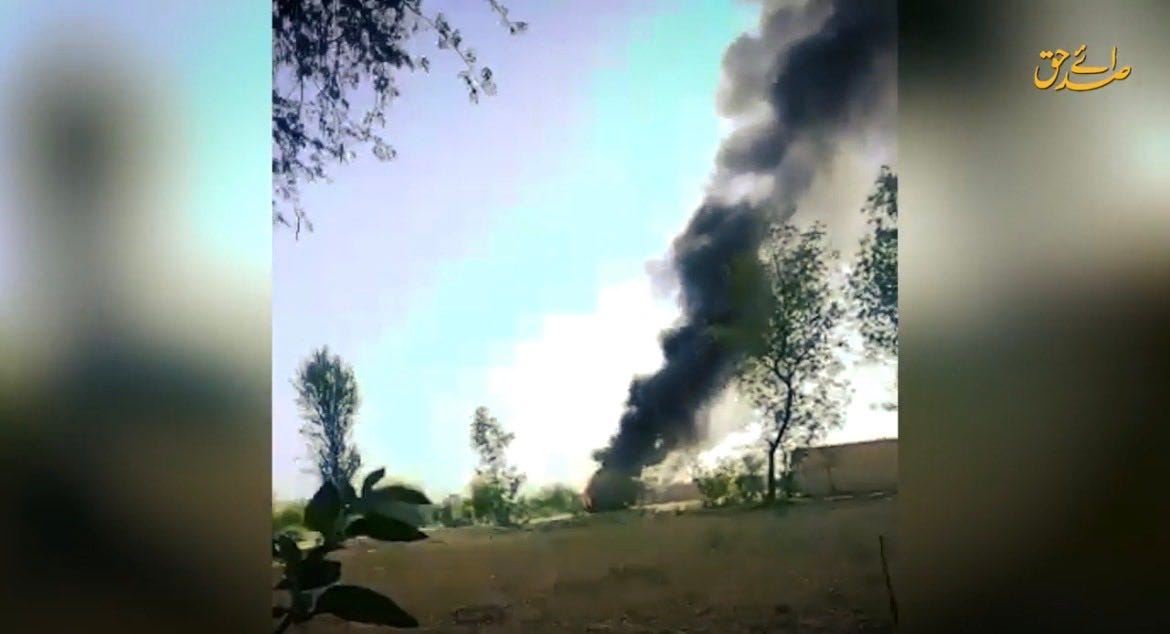
Ittehad-ul-Mujahideen Pakistan (IMP), a Pakistani jihadist organisation comprising the Hafiz Gul Bahadur Group (HBG), Lashkar-e-Islam and the Harkat Inqilab-e-Islami Pakistan (HIIP), released 14 statements, claiming 16 attacks.
Target: Pakistan Army, Pakistan Police, Counter Terrorism Department Police (CTD), Secret/Peace Committee.
Area:
- North Waziristan district, South Waziristan district, Bannu district, Bajaur district, Khyber district, Orakzai district;
Khyber Pakhtunkhwa Province.
- Diamer district, Gilgit-Baltistan province.
Pakistan
🔹Weekly Monitoring Notes
The reporting period from 24 to 31 May reflects a moderate reduction in overall propaganda volume compared with the previous week.
