


Executive Intelligence Summary
Jama’at Nasr al-Islam wal Muslimin (JNIM) remains one of the most significant jihadist threats in the Sahel and increasingly along the coastal West African corridor.
The group continues to demonstrate:
sustained operational capability across Mali and Burkina Faso;
expanding pressure towards Niger, Benin and Togo;
Strategic alignment with al-Qaeda’s regional objectives.
While no abrupt escalation is observed in December 2025, current activity patterns suggest a persistent and adaptive threat, with potential for geographic spillover and sustained instability over the next 3–6 months.
Threat level: High
Trend: ↑ (gradual expansion)
Primary risk areas: Mali, Burkina Faso, Niger; emerging pressure on Benin and Togo
Time horizon: 3–6 months
Confidence level: Medium–High
Scope and Methodology
This Strategic Threat Outlook is based on:
systematic monitoring of jihadist propaganda (videos, photos, statements, claims);
reporting from sources in the field;
OSINT, IMINT, SOCMINT, and Digital HUMINT integration.
Sources include primary JNIM media channels, open-source reporting, official statements, and local sources.
Limitations
Incomplete or delayed reporting from conflict areas;
exaggeration or omission in group claims;
Potential propaganda bias and disinformation.
Where verification is not possible, this is explicitly noted.
Overview and Security Threat Assessment
The operating environment in Mali and across the central Sahel remains characterised by persistent governance deficits, chronic socioeconomic vulnerability, and uneven state presence. These structural conditions, long evident in northern Mali and historically exploited by autonomy-oriented and separatist movements, continue to constitute the primary enabling factors for armed mobilisation. In this context, jihadist recruitment is less a function of large-scale ideological adherence than of the ability to convert local grievance systems into mechanisms of compliance, protection, and mobilisation. Where the state is absent, predatory, or inconsistent, armed actors capable of imposing order, resolving disputes, and regulating daily life retain a decisive advantage. This dynamic, widely documented in international analytical and academic literature on Sahelian insurgencies, remains central to understanding the durability and expansion of Jama’at Nusrat al-Islam wal-Muslimin (JNIM).
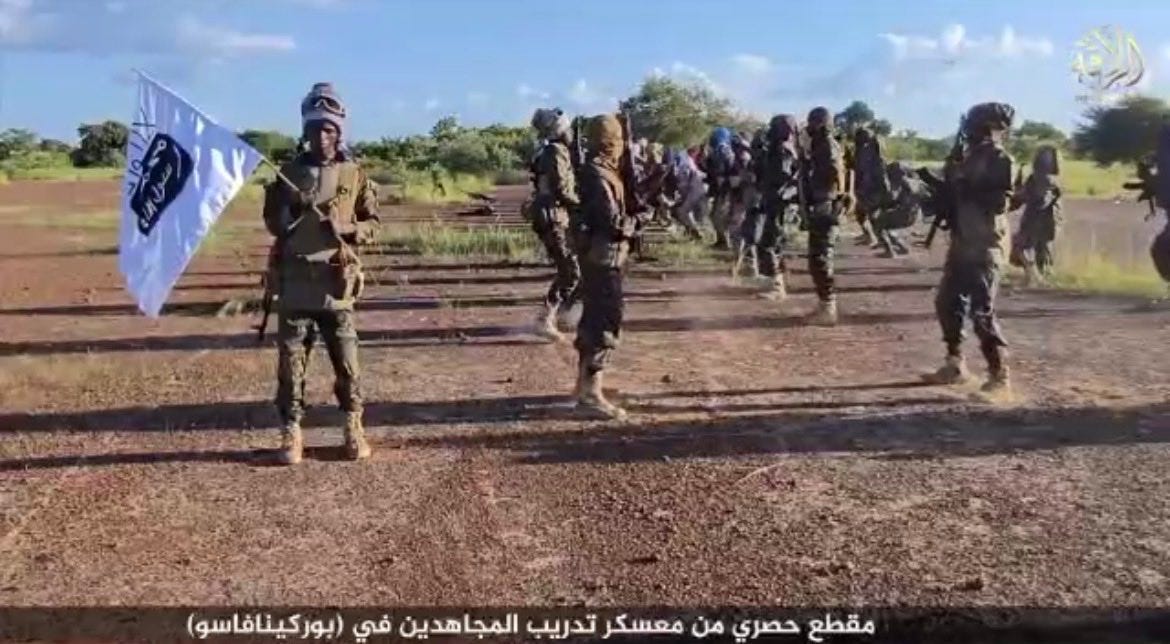
JNIM remains the most capable Salafi-jihadist actor in the central Sahel. Established in March 2017 through the merger of Ansar Dine, Katibat Macina, al-Mourabitoun, and AQIM’s Sahara branch, the group has evolved into a federated coalition rather than a hierarchically rigid organisation. It operates primarily in Mali, Burkina Faso, and Niger, while periodically extending operational pressure toward coastal states and peripheral borderlands. Analytically, JNIM is best understood as a hybrid insurgent structure combining guerrilla warfare, selective governance, and political signalling. Its resilience derives from a decentralised operational architecture, strong social embedding through local intermediaries, and a pragmatic strategic culture that prioritises survivability and influence over symbolic or purely spectacular violence.
Over time, JNIM has demonstrated a consistent capacity to instrumentalise local discontent, particularly among marginalised rural populations exposed to insecurity, intercommunal violence, and abuses by state or auxiliary forces. Its traction among segments of Fulani (Peul) communities in central Mali and Burkina Faso, and among Tuareg networks in the north, is better explained by political economy and security dynamics than by doctrinal mobilisation alone. Protection arrangements, dispute resolution, retaliation logics, and access to livelihoods remain the primary vectors of recruitment and passive support. Where counterinsurgency responses rely on indiscriminate coercion, proxy militias, or collective punishment, they tend to generate strategic blowback, accelerating recruitment and deepening JNIM’s social cover.
Multiple international assessments have repeatedly underlined that the persistence of jihadist violence in the Sahel is rooted in unresolved political and governance failures rather than ideological diffusion. Operationally, JNIM has pursued a sustained and adaptive campaign targeting civilians, national security forces, foreign militaries, and, previously, UN peacekeepers. The group’s operational logic has remained broadly consistent: incrementally degrade state presence, contest transport corridors, impose costs on governance, and convert insecurity into leverage. From an intelligence perspective, two developments matter more than the absolute number of attacks. First, JNIM has demonstrated an improved ability to coordinate operations across wide geographic areas within compressed timeframes, indicating maturation in communications, command and control, and tactical mobility. Second, the group has continued to diversify its tactical repertoire, increasingly integrating drones for aerial surveillance and attack facilitation, alongside persistent use of IEDs, ambushes, targeted assassinations, and complex assaults against fixed military installations. Conflict monitoring organisations have noted that JNIM is now among the most active non-state adopters of drone-enabled tactics in the Sahelian theatre, reflecting rapid learning and diffusion within the network.
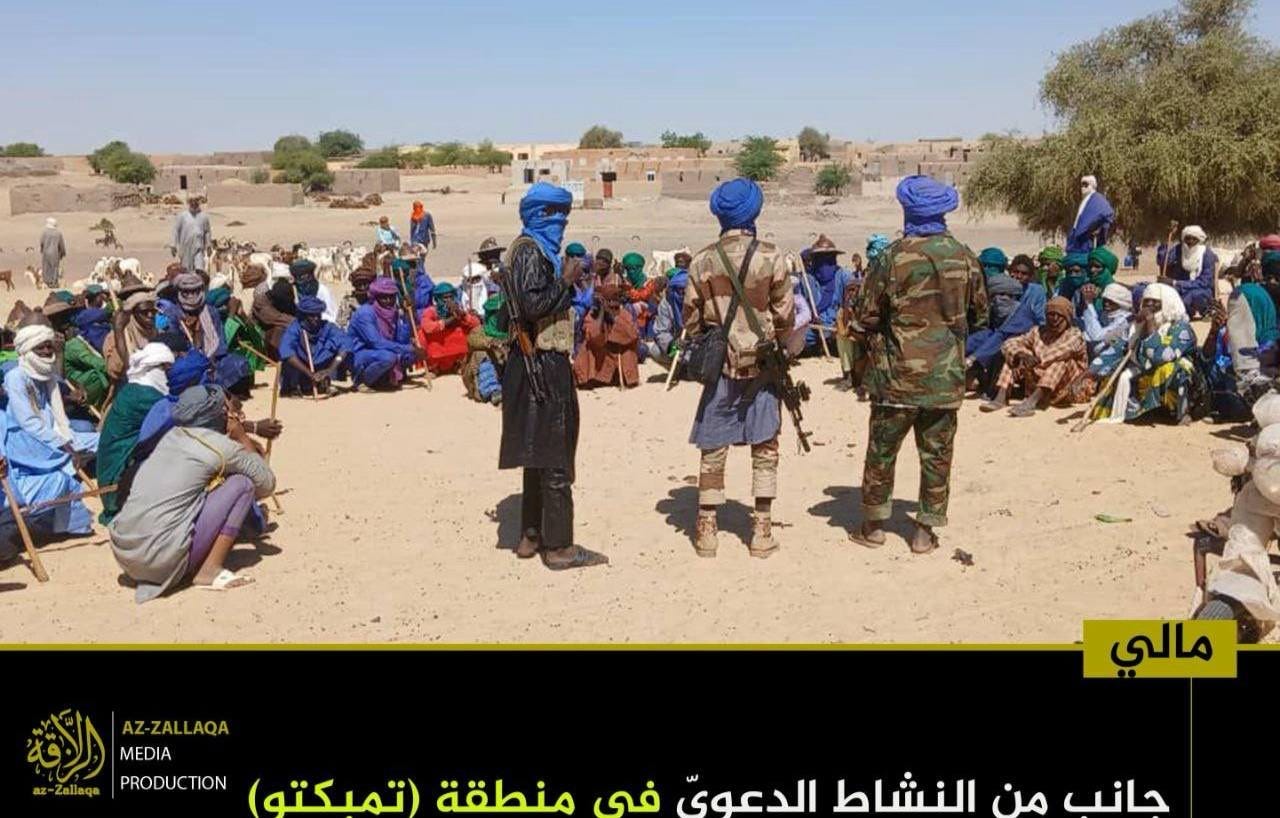
Leadership dynamics further shape JNIM’s operational behaviour across sub-theatres. While the coalition maintains strategic coherence, different operational styles remain evident. In northern Mali, leadership associated with Iyad Ag Ghali has historically prioritised calibrated violence, elite brokerage, and selective accommodation with local power brokers, including militia, political, and religious figures. In contrast, Amadou Koufa’s operational influence in central Mali and Burkina Faso has relied more heavily on community-level mobilisation and identity-linked grievance narratives, particularly among Fulani populations. These variations do not represent fragmentation, but rather a flexible adaptation to distinct sociopolitical environments under a common strategic framework.
The escalation cycle observed since mid-2023 reflects a convergence of internal confidence, expanded mobilisation narratives, and favourable opportunity structures. While propaganda messaging alone does not drive operational tempo, it provides insight into intent and organisational self-perception. The broader trendline, higher operational intensity, expanding geographic reach, and increasing tactical sophistication have continued into 2024 and 2025, as documented by international analytical reporting on Sahelian jihadist dynamics.
In 2025, a qualitative shift has become particularly salient: JNIM’s increasing reliance on economic warfare as a deliberate instrument of political coercion. The group has moved beyond opportunistic predation toward systematic disruption and regulation of supply chains, particularly in western Mali. Attacks against industrial facilities, infrastructure projects, and artisanal mining sites have been followed by explicit threats and subsequent action targeting fuel supplies from neighbouring coastal states. The resulting interdiction of logistics corridors, especially around Kayes and Nioro, has transformed economic disruption into a mechanism of political engineering. In a country heavily dependent on imported fuel and goods, such a disruption constitutes a direct challenge to state functionality. The inability of the authorities to secure long, vulnerable road networks amplifies the impact of relatively small-scale attacks, producing cascading effects on transport, electricity generation, education, and urban services. In this context, JNIM positions itself not merely as a spoiler but as a regulating authority capable of permitting, denying, or conditioning access to essential flows.
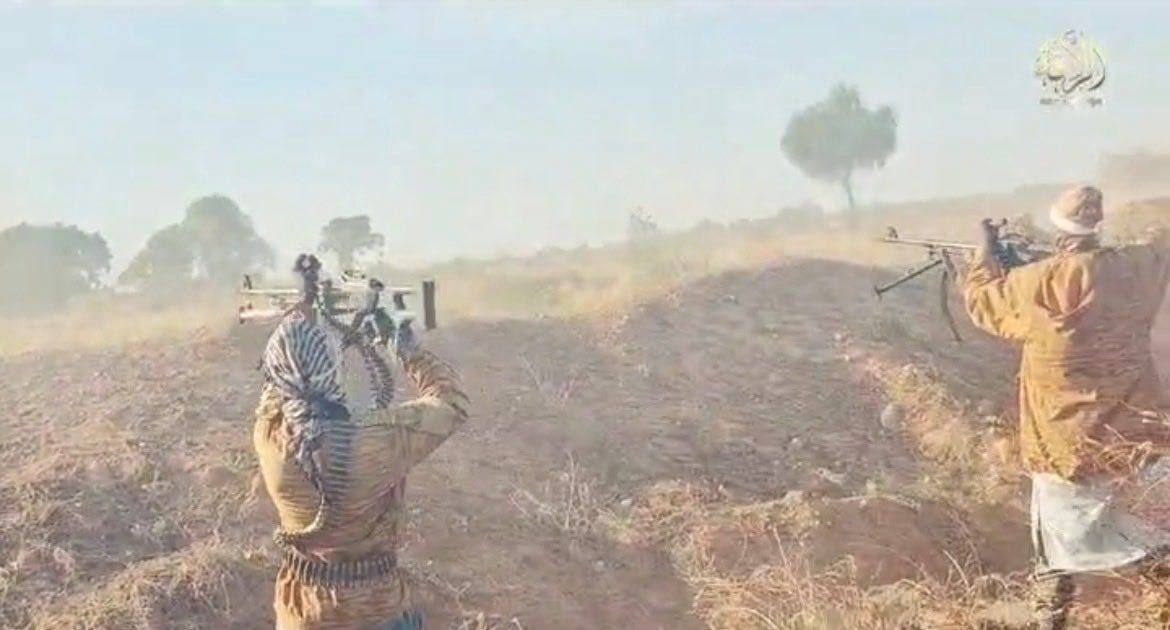
As control over supply channels increases, JNIM’s governance practices become more visible and enforceable. Field reporting indicates the imposition of behavioural and social regulations in areas under its influence, including dress codes and public conduct rules, enforced through coercive means. These measures should be interpreted less as isolated ideological enforcement and more as signals of authority and rule-setting capacity. By normalising compliance and demonstrating the state’s inability to protect alternative norms, JNIM reinforces its claim to de facto governance.
JNIM’s continued operational effectiveness is closely tied to a tactical model optimised for the Sahelian environment. Small, highly mobile units using motorcycles and pick-up trucks are able to mass rapidly, strike and disperse in swarm-like manoeuvres that overwhelm static defences. These teams rely on radio and mobile communications, ground observers, and increasingly drone-based surveillance to maintain situational awareness. The attack spectrum remains broad, ranging from IEDs and ambushes against convoys to targeted killings, raids on villages associated with pro-government militias, and complex assaults on bases and checkpoints using suicide vehicle bombs, indirect fire, and direct assaults. This combination of mobility, decentralisation, and technological adaptation continues to complicate prediction and containment efforts.
Despite contradictory official narratives from affected governments, available open-source indicators suggest that JNIM’s territorial influence and operational reach continue to expand. The coalition has demonstrated a new level of confidence by conducting operations hundreds of kilometres apart and by probing previously less affected areas in central and western Mali. Emerging activity along border corridors toward Niger, Benin, and Nigeria further suggests a strategy of gradual geographic expansion rather than sudden territorial conquest.
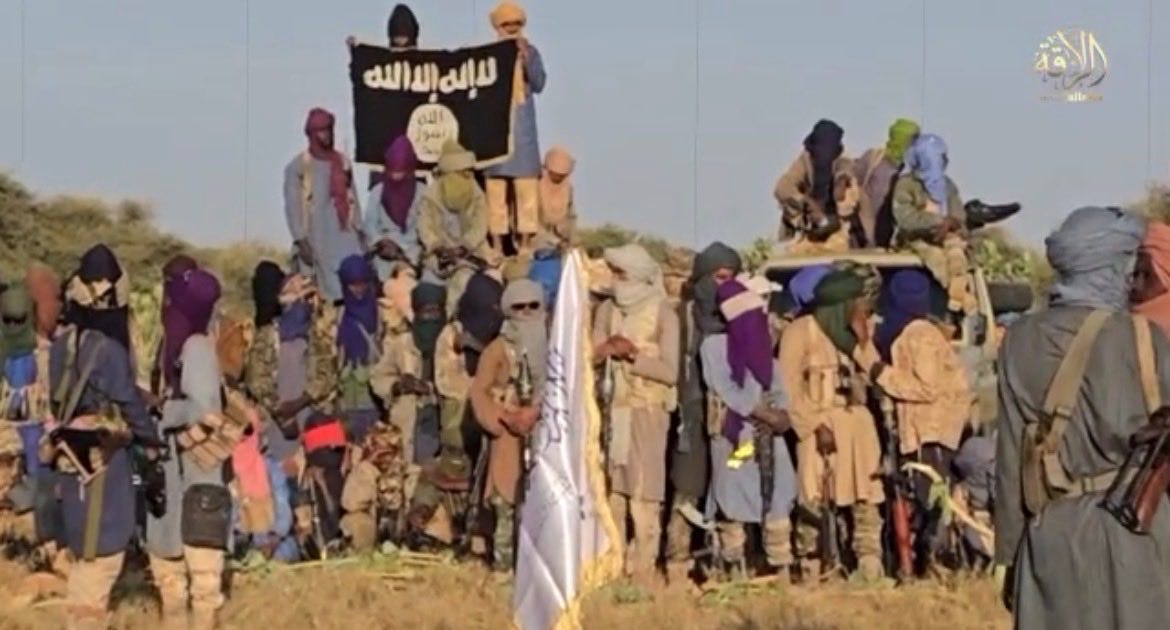
Strategically, JNIM appears to be following a well-established insurgent trajectory: fight to gain leverage, govern to retain influence, and negotiate from a position of accumulated power. This does not imply imminent political talks, but it does indicate that the group’s centre of gravity is increasingly political rather than purely military. The most significant risk posed by JNIM today is therefore not limited to kinetic violence, but lies in the progressive erosion of state authority and the normalisation of armed governance across significant portions of the Sahel.
Activity and Operations Analysis — December 2025
Analysis of Activities and Operations - December 2025
December 2025 confirms that the JNIM is no longer fighting a “classic” rural insurgency focused on episodic incursions and attritional harassment. The coalition is waging a multidisciplinary campaign in which kinetic activity, mobility control, and economic coercion are deliberately combined to generate strategic effects disproportionate to the manpower deployed. The most significant operational line remains the economic warfare campaign launched in the third quarter and finalized in December: interdiction of fuel and trade flows to Bamako and the western/southern corridors, accompanied by selective violence designed to make transportation risk, not scarcity, the binding constraint. In December, the pattern persisted and, crucially, shifted from “symbolic sabotage” to routine application along key axes, including reported attacks against fuel convoys on the Bougouni corridor linking Bamako to Côte d’Ivoire.
This is operationally important because it indicates that the JNIM is treating logistical interdiction as a series of repeatable and scalable missions: small mobile teams, temporary checkpoints, rapid attacks and retreats against slow-moving, high-value targets, and a level of media coverage that publicizes their scope and inevitability.
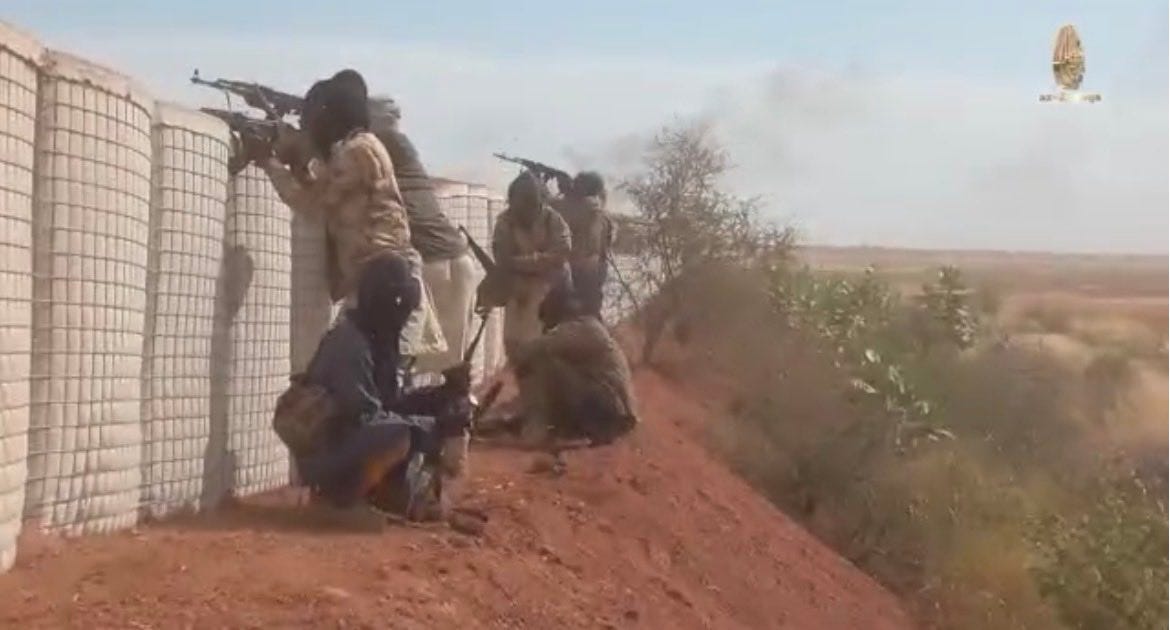
What is operationally distinctive in December is the close link between corridor warfare and political messaging. The goal is not simply to extract revenue, but to demonstrate that the junta cannot guarantee the minimum conditions for normal life, movement, markets, fuel, and public services, and to force local and private actors to adapt to the JNIM’s implicit “authorization structure.” This logic is reinforced by the strategic importance of the Dakar-Bamako supply axis and the broader corridor system that sustains Mali’s dependence on imports.
In practical terms, the campaign functions like a tax on time and risk: longer transit times, higher insurance/escorts, the cost of diversifying routes, and periodic paralysis when fear outweighs actual destruction—effects that can be politically decisive even if the outcome on the battlefield remains ambiguous.
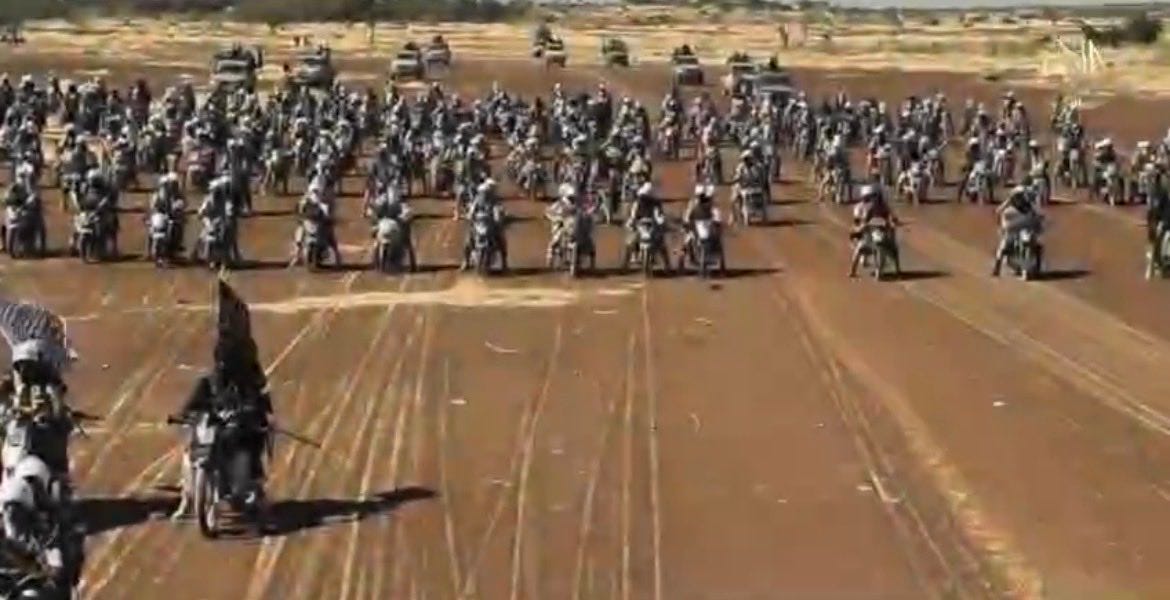
Kinetically, December saw a surge in casualties linked to the intensification of JNIM activity and subsequent counter-operations in the Timbuktu theater (with violence concentrated in specific circles and resulting in military casualties and displacement). The same logic continues to apply in central Mali and parts of Burkina Faso, where coercion by state-aligned actors and the militarization of local defense structures have repeatedly generated backlash dynamics that jihadist coalitions convert into recruitment, access to intelligence, and freedom of movement.
December also strengthens JNIM’s evolution in tactical capabilities, particularly through drones for reconnaissance, target discipline, and psychological control. The key point for an operational assessment is that drone integration changes the risk calculation for base defense and convoy movement, even when payload effects are limited, since ISR reduces uncertainty for the attacker and increases uncertainty for the defender.
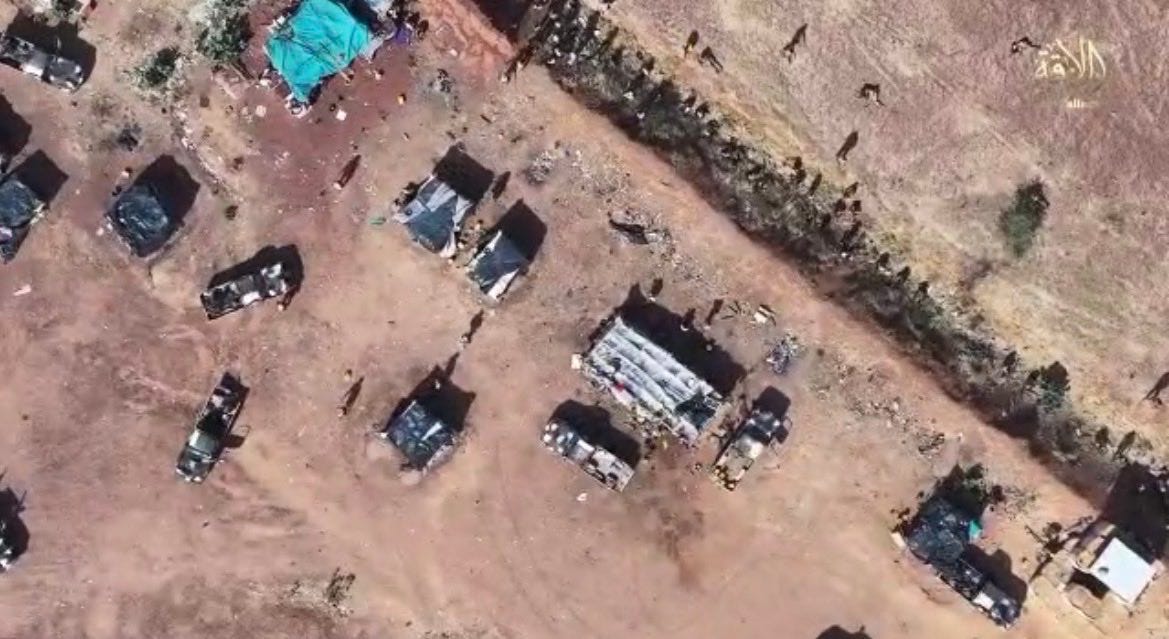
Overall, December 2025 is best characterized as a month of operational consolidation and strengthening of strategic leverage. JNIM’s focus is increasingly political and institutional: it is attempting to undermine state authority through a combination of persistent violence, mobility control, and economic coercion that forces populations and commercial actors to adapt. The campaign logic suggests that JNIM doesn’t need to seize capital to win; it must make governance materially difficult, socially contested, and economically costly, and then present itself as the actor capable of regulating insecurity. The operational trend, therefore, points less toward a “decisive battle” model and more toward a sustained strategy of siege by attrition: incremental and repeatable pressure that converts tactical actions into lasting political influence.
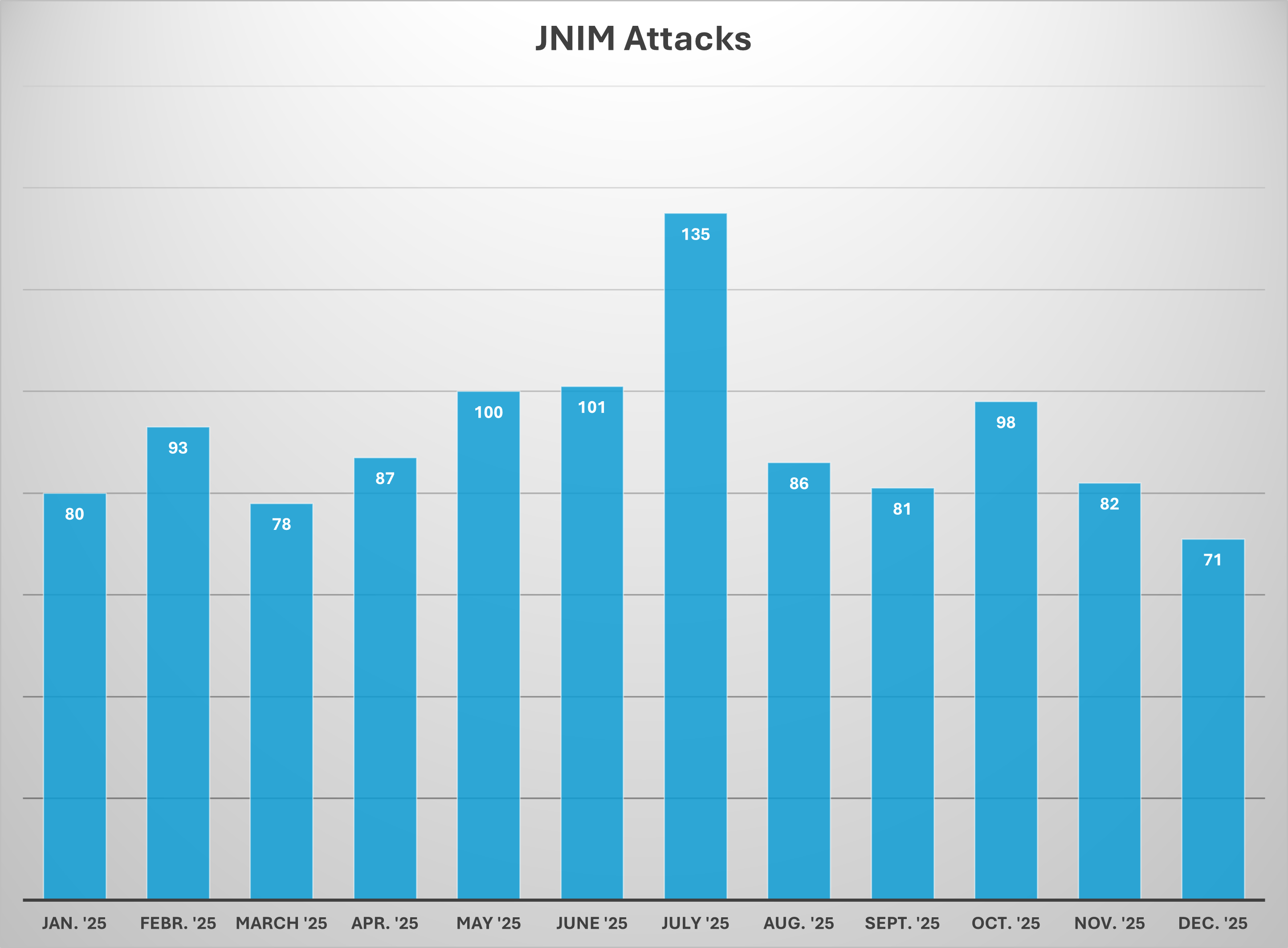
Number of attacks in December 2025: 71
Targets:
JNIM’s military objectives this month have been many, and they are as follows:
Malian army (FAMa), Malian Dozo militia, Russian PMC Africa Corps, Burkinabè Army, VDP militia.
Area:
JNIM hit the following countries this month:
MALI: Mopti region, Timbuktu region, Kayes region, Koulikoro region, Kidal region, Sikasso region, Ségou region;
BURKINA FASO: Loroum province, Koulpélogo province, Mouhoun province, Bam province, Gourma province, Comoé province, Sanmatenga province,
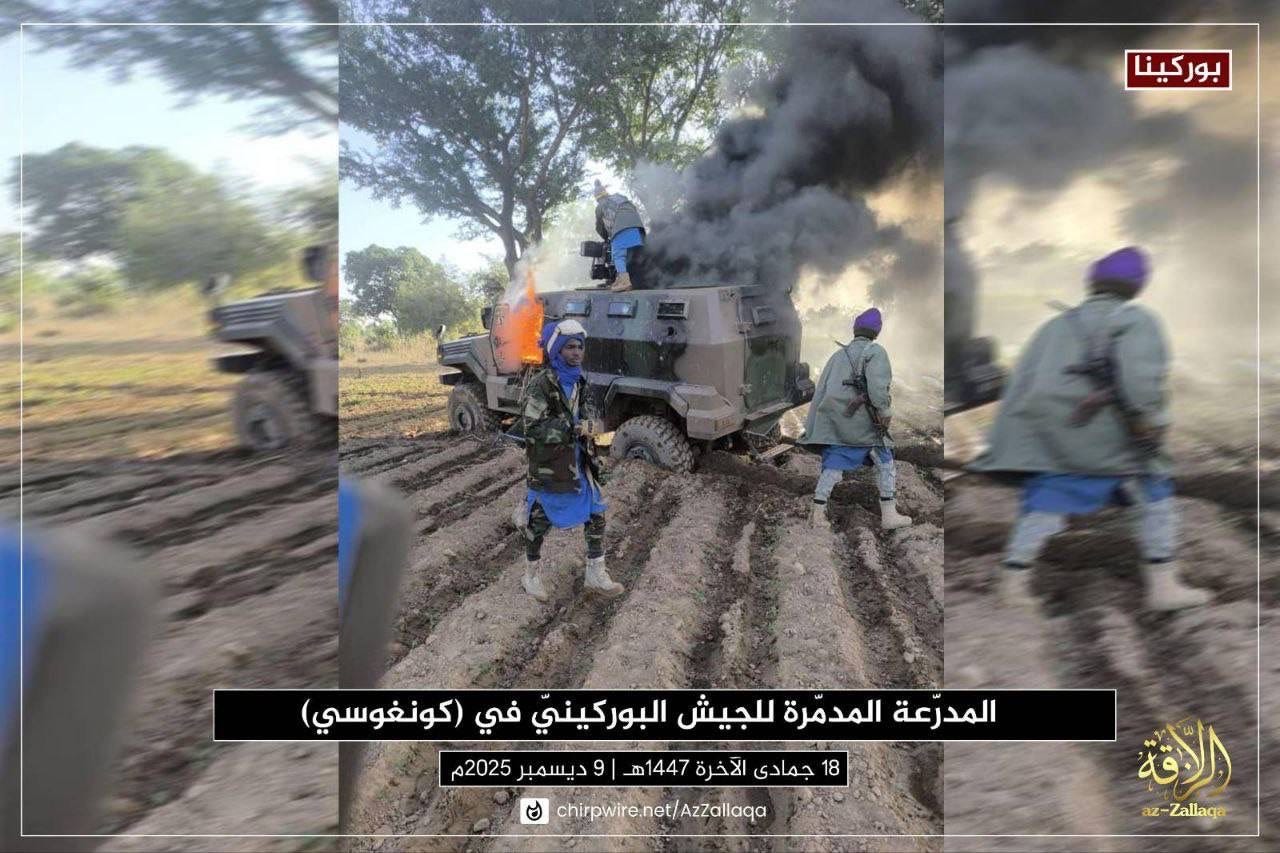
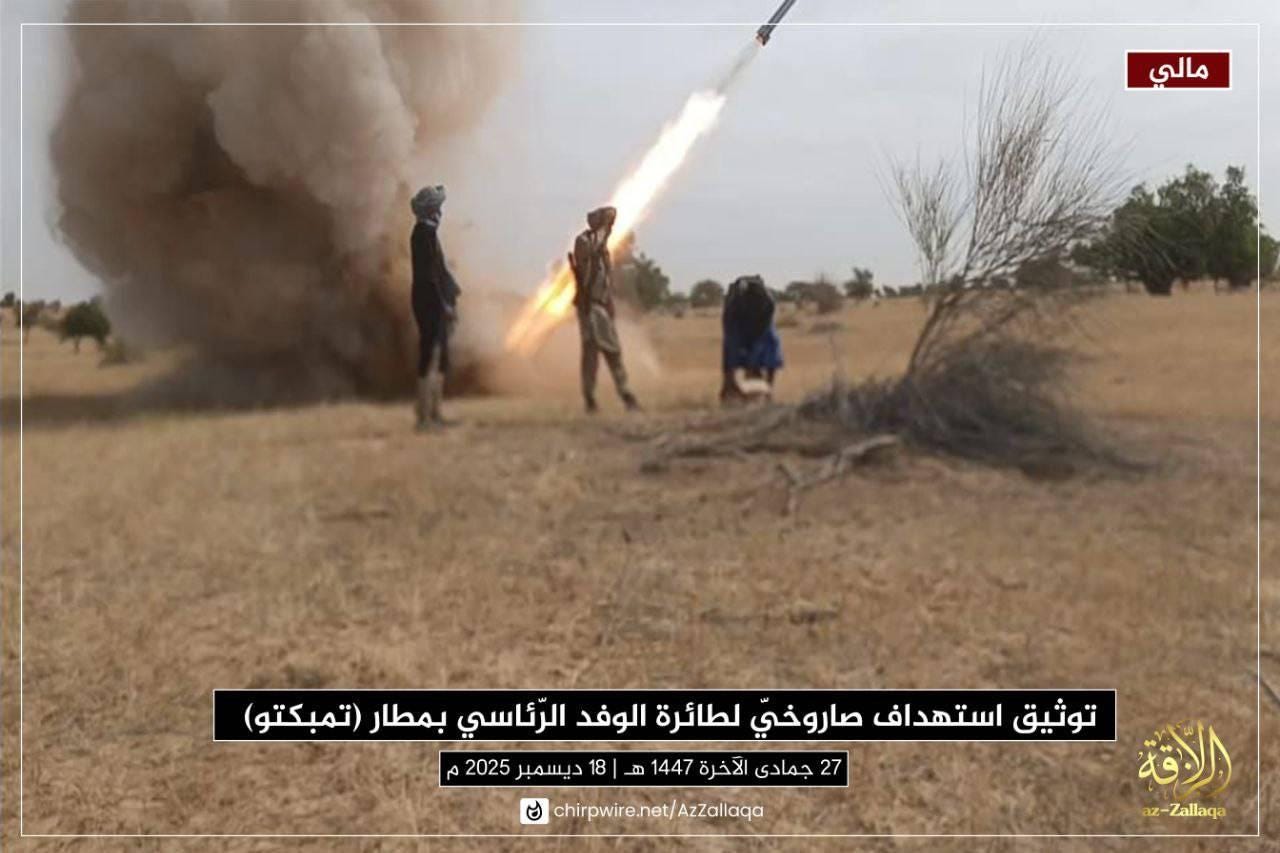
All the attacks were followed by extensive propaganda. In particular, JNIM published 56 statements claiming responsibility for the 71 attacks carried out, along with 44 photos and 7 videos documenting their achievements. As of June 23, Az-Zallaqa Media introduced a completely new look, new colours, and new photo backgrounds for its videos, statements, and photos. Over the past three months, JNIM has also been using al-Fatah Media, which uses local languages, to disseminate videos.
Analytical and Security Threat Assessments
December 2025 confirms that JNIM’s operational tempo remains structurally high, although the number of monthly attacks (71) continues to normalize post-July, as seen in the 2025 trend line (peaking in July, then gradually declining in December). The key analytical point is that volume is no longer the best threat indicator. The decisive signal in December is target selection, geographic dispersal, and the combination of kinetic actions with coercive governance and economic pressure: a campaign strategy that aims to degrade state functionality and impose accommodations rather than “win” through a territorial blitz. This is consistent with the broader shift in the Sahel toward economic warfare and corridor contestation.
Operationally, the portfolio of attacks and the targets you reported—FAMa, Dozo militias, Africa Corps personnel/resources, Burkinabe forces, and the VDP—reflect a mature insurgency logic: targeting the state’s coercive backbone (regular forces), its local auxiliaries (Dozo/VDP), and the regime’s external facilitators (Russian-linked forces) to maximize institutional stress and increase the perception of the state’s vulnerability. The geographic footprint in Mali (Mopti-Timbuktu axis, plus Kayes/Koulikoro/Sikasso/Ségou, and residual activity in Kidal) indicates that JNIM is maintaining pressure both in the “classic” theaters (northern-central belts) and in the strategically significant southern/western corridors, crucial for trade and the regime’s legitimacy. In Burkina Faso, the dispersion between the provinces of Loroum/Yatenga/Séno (north) and Sanmatenga/Bam (north-central) to Comoé/Gourma/Koulpélogo/Sissili/Mouhoun suggests the persistence of a multi-pronged approach: limiting state mobility, punishing auxiliary structures, and maintaining the depth of intimidation near economically important and densely populated areas.
A second-order, but increasingly important, threat component is the information “final move” that follows operations. The tally of 56 reports for 71 attacks, supported by 44 photos and 7 videos, is significant because it signals a deliberate effort to:
Preserve narrative ownership,
Demonstrate operational credibility in near real time,
Translate tactical events into strategic persuasion.
Finally, December should be interpreted in the context of JNIM’s ongoing economic warfare campaign, particularly the fuel/logistics interdiction in Mali. The effects of the blockade, service disruptions, school closures, electricity restrictions, and rising transportation costs are a major pressure point on the junta, as they undermine the regime’s performance in the capital without requiring the deployment of massive force.
Even as fuel flows into Bamako intermittently, the political damage stems from persistent uncertainty and the perception that the state cannot guarantee normalcy. In other words, JNIM’s most significant achievement of December may not have been a single spectacular attack, but the maintenance of a system in which the state is forced to reactively protect convoys and manage crises over long distances—an unfavorable trade-off in costs.
Intelligence Assessment
The December dataset supports a highly confident assessment that JNIM is optimizing its strategy for institutional attrition rather than territorial conquest. The repeated commitment of regular and auxiliary forces, combined with geographically distributed operations, indicates an intention to expand response capacity, increase the burden of force protection, and accelerate local bargaining dynamics in favor of JNIM. This is consistent with the coalition’s established practice of combining coercion and selective accommodation, especially in areas where governance is weak, and communities seek predictable dispute resolution and protection from rivals.
JNIM continues to refine a “capability demonstration cycle”: conducting an attack that highlights a vulnerability (base defense, convoy movement, auxiliary militias’ fragility), then rapidly publishing proof of action to amplify deterrence and recruitment value. This mechanism can influence commercial decision-making (routing, assurance, readiness to operate) even in the absence of a continuous physical presence.
Regarding enabling capabilities, drones are being institutionalized as low-cost ISR and targeting aids in the Sahel jihadist ecosystem. The relevant intelligence question is not whether drones are present, but whether JNIM is expanding from ISR to enabling more frequent attacks and whether technical facilitation networks are becoming more resilient to interdiction. Political analysis of the blockade explicitly highlights small groups of specialized operators and identifiable operational rhythms (quiet periods, limited personnel per ambush), which provide exploitable templates for countermeasures if the state can operationalize them.
Implications for Political and Military Decision-Makers
For the political leadership, the December picture is clear: it is now a struggle for the state’s credibility, not just the outcome on the battlefield. If JNIM can reliably impose obstacles on fuel, transportation, and basic services, it could erode the regime’s legitimacy faster than it can be rebuilt through tactical victories. The practical political implication is that security operations must be evaluated based on their ability to restore predictability to daily life, especially along key corridors and in the “passage” regions connecting Bamako to coastal supply chains, because JNIM’s strategy is designed to make “governance” seem impossible. Reports on the blockade and its second-order effects underscore why this area is strategically crucial: the state loses legitimacy in the capital when supply uncertainty becomes chronic.
For the military leadership, the December objective profile emphasizes that the center of gravity is mobility and force protection. The JNIM is committing the units and auxiliaries that enable the state’s presence outside of major urban islands. This means that the operational challenge is not simply “clear and hold,” but “move and sustain.” If convoys cannot be protected on a large scale, the force is strategically crippled. Predictable convoy movement patterns, insufficient surveillance, and limited ISR are precisely the vulnerabilities exploited by the JNIM.
Rational counterplanning therefore prioritizes:
Unpredictability of movements,
Multi-layered reconnaissance and counterambush exercises,
Rapid recovery and logistical continuity even after interdiction attempts,
Targeted actions against facilitating nodes rather than chasing dispersed attack teams after the fact.
In both the political and military spheres, the greatest flaw remains abusive counterinsurgency and poorly controlled auxiliaries. Harm to civilians and the perception of collective punishment are expanding JNIM’s recruitment pool and exacerbating the silence of the community that protects its logistics. In December, given the size of the provinces affected in Burkina Faso and the spread of war theaters in Mali, any counterterrorism approach that increases grievances faster than it increases protection is strategically counterproductive.
Finally, propaganda metrics aren’t just cosmetic; they’re an important indicator of operational trust and narrative consolidation. A group that claims responsibility for 56 out of 71 attacks and packages them with coherent and modernized media production is signaling that it considers itself a sustainable actor with governance ambitions, not a clandestine cellular structure. Politically, this increases the risk of local accommodations and informal negotiation dynamics, especially where the state cannot credibly guarantee security and trade.
Threat Outlook - Next 2-4 Weeks
Over the next 2-4 weeks, the most likely trajectory is continued pressure on corridors and persistent attacks on security and auxiliary forces, rather than a sudden shift to large-scale urban terrorism. The scenario with the highest probability is a maintenance phase: JNIM supports operations in Mali’s central and northern belts, while maintaining intermittent pressure on western and southern logistical arteries linked to fuel and trade. The intent will be to prolong uncertainty and preserve the perception that the state cannot restore normalcy, which remains one of JNIM’s most effective strategic tools.
A secondary scenario, with moderate probability, is a short, sharp spike in complex assaults on fixed positions (bases, camps, checkpoints), designed to generate prominent effects and replenish propaganda inventory at the beginning of the new year. This is particularly plausible if counter-operations intensify in the Timbuktu/Mopti belt, creating a vicious cycle in which JNIM responds to pressure with demonstrative attacks to reassert its initiative.
A less likely but high-impact scenario is an expansion of operational signaling to border areas beyond the main Mali-Burkina Faso theater (particularly along corridors leading to Niger and, more cautiously, the areas adjacent to Nigeria). The practical indicator would not be a single claimed incident, but repeated claims with media support, consistent geographic locations, and evidence of facilitation pathways.
🔒 Executive Intelligence Cycle
This assessment is part of a broader analytical cycle.
Founding subscribers receive the Executive Intelligence Briefing, which integrates all threat assessments, cognitive domain analysis, and a rolling 30–90 day forecast into a single monthly strategic synthesis.
© Daniele Garofalo Monitoring - All rights reserved.
Daniele Garofalo is an independent researcher and analyst specialising in jihadist terrorism, Islamist insurgencies, and armed non-state actors.
His work focuses on continuous intelligence monitoring, threat assessment, and analysis of propaganda and cognitive/information dynamics, with an emphasis on decision-oriented outputs, early warning, and strategic trend evaluation.
Daniele Garofalo Monitoring is registered with the Italian National ISSN Centre and the International Centre for the Registration of Serial Publications (CIEPS) in Paris.ISSN (International Standard Serial Number): 3103-3520ORCID Code: 0009-0006-5289-2874Support my research, analysis, and monitoring with a donation here, PayPal.Me/DanieleGarofalo88