


Tehrik-i-Taliban Pakistan (TTP) remains a high and adaptable security threat to Pakistan, especially in Khyber Pakhtunkhwa and along the Afghan–Pakistani border areas. Clarifying threat levels and their implications will help stakeholders prioritise responses effectively and trust the current risk assessment.
The threat remains high and persistent, underscoring the need for stakeholders to stay vigilant and allocate resources effectively over the next 3–6 months to maintain operational effectiveness. Emphasising adaptability can reassure stakeholders about the threat’s evolving nature and the importance of flexible responses.
📌 Inside this Assessment
Brief overview of the TTP
Activity and Operations Analysis — October 2026
Number, Targets, and Areas of Attacks in October 2026
Charts and Statistics
Analytical and Intelligence Assessments
Implications for Decision Makers
Threat Forecast, 30 to 90 Days
Executive Intelligence Conclusion
Scope and Methodology
Although current patterns indicate a stable-to-increasing threat trajectory, the TTP’s demonstrated adaptability and cross-border ties highlight the importance of ongoing monitoring to ensure readiness against tactical escalation or diversification. Stressing continuous vigilance can make stakeholders feel assured that the threat is being actively managed and understood.
This Strategic Threat Outlook is based on:
systematic monitoring of jihadist propaganda (videos, photos, statements, claims);
reporting from sources in the field;
Integration of OSINT, IMINT, SOCMINT, and Digital HUMINT.
Sources include primary material from TTP-affiliated channels, open-source reporting, official statements, and local sources. Clarifying how limitations-such as potential propaganda bias and delayed reporting-affect operational decisions will help stakeholders interpret the data accurately and trust the assessment.
Limitations
Incomplete or delayed reporting from remote or contested areas;
Exaggeration or omission in group claims;
Potential propaganda bias and disinformation.
Where attacks or claims cannot be independently corroborated, this is explicitly indicated in the assessment.
Brief overview of the TTP
The Tehrik-i-Taliban Pakistan (TTP), established in 2007 as an umbrella organisation of predominantly Pashtun militant factions, remains a major insurgent threat to the Pakistani state. Under Noor Wali Mehsud, who assumed leadership in 2018, the movement has rebuilt organisational cohesion through factional reunification, internal restructuring and a more consistent political and media strategy. Its ideological foundations lie in militant Deobandism, reinforced by longstanding relationships with the Afghan Taliban and Al-Qaeda. However, its immediate campaign remains directed principally against Pakistan’s security forces and system of government.
By September 2026, the TTP’s resilience is best understood through its ability to sustain pressure across multiple districts while surviving repeated counterterrorism operations. Khyber Pakhtunkhwa remains the centre of gravity of its insurgency, encompassing both the former tribal areas and southern districts such as Bannu, Lakki Marwat and Dera Ismail Khan. Activity elsewhere in Pakistan extends the security burden, but should not obscure this concentration. Operational reach also needs to be distinguished from territorial control: the capacity to attack, intimidate local communities or temporarily interfere with movement does not, by itself, establish durable control over an area.
The campaign combines attacks on military and Frontier Corps personnel with sustained pressure on police, checkpoints, patrols and the local networks supporting state authority. Tribal elders, suspected informants and members of anti-militant formations remain exposed to targeted violence. This broader selection of targets gives the insurgency a coercive function beyond inflicting security-force casualties, potentially weakening intelligence collection and discouraging cooperation with the authorities. The leadership’s emphasis on security-related targets should therefore not be interpreted as an absence of civilian victimisation.
Tactical adaptation is increasingly relevant to the threat assessment. IEDs, direct-fire attacks and ambushes remain central to the campaign. At the same time, material circulated by Umar Media in September presented attacks against Army and Frontier Corps convoys in Swat involving both explosives and drones. These releases indicate an effort to publicise a wider tactical repertoire, but the available material does not establish the frequency, effectiveness or distribution of drone capabilities across TTP units. Likewise, activity in Swat warrants attention but does not automatically demonstrate a restoration of the group’s former territorial position there.
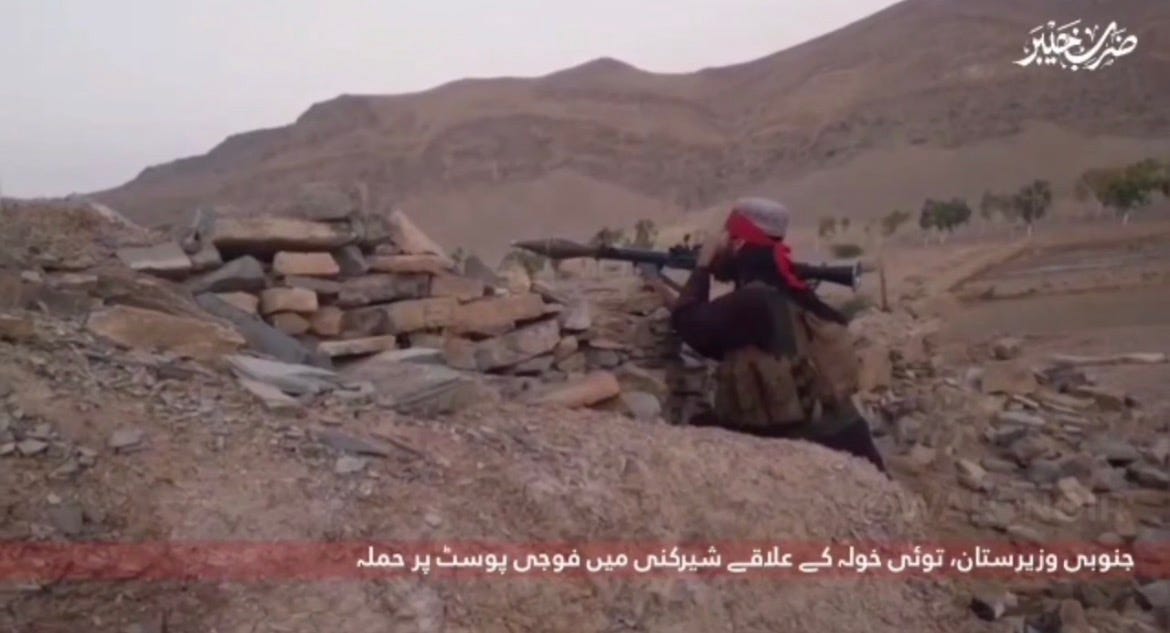
The Afghan dimension remains critical. Access to sanctuary and cross-border networks complicates Pakistan’s efforts to translate tactical successes into sustained reductions in violence. During 2026, the dispute over militants operating from Afghanistan has also contributed to repeated interstate escalation, including renewed confrontation in September. Pakistani allegations and Afghan denials remain sharply contested; the analytical question is whether military and diplomatic pressure materially restricts militant movement, organisational support and operational recovery.
